Key takeaways
- Kazakhstan grants approved miners regulated electricity quotas under contracts lasting years in exchange for part of mined assets
- Two reports support the framework trading electricity for assets while the precise transfer percentage remains unverified in supplied reporting
- The framework routes miner output into a reserve mechanism backed by the state without establishing the precise transfer rate publicly

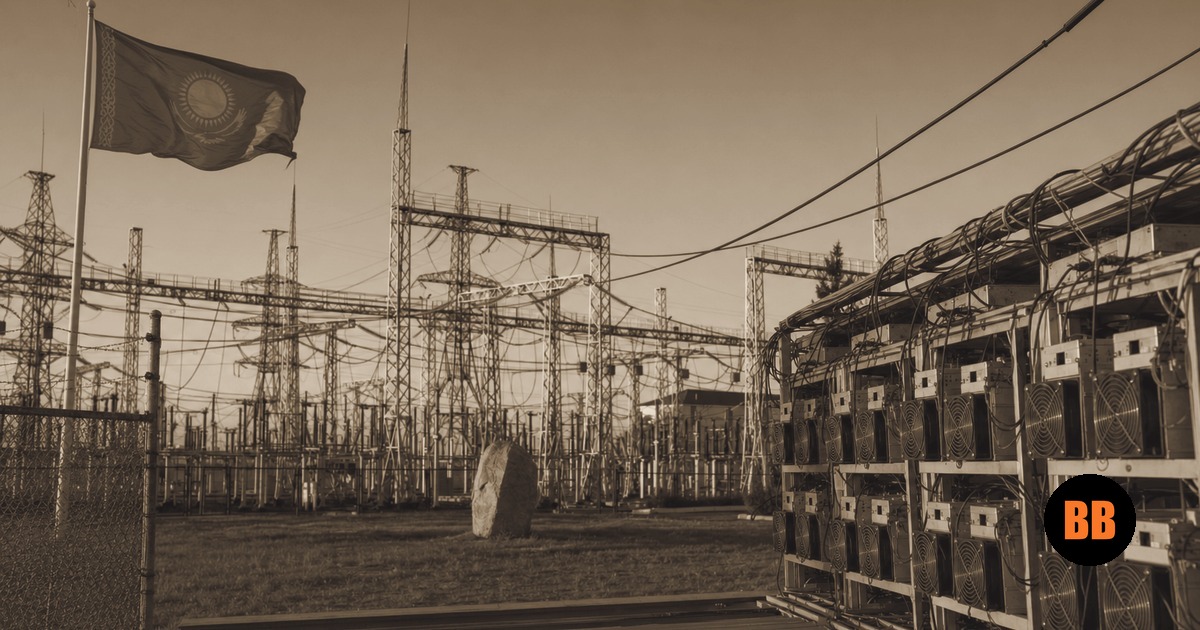
Kazakhstan has approved a strategic mining framework that links access to regulated electricity quotas with transfers of part of mined digital assets to a reserve mechanism backed by the state. Approved miners receive power under contracts lasting years, and the new exchange routes a portion of their output toward the state.
Regulated power comes with a claim on output
The framework gives approved miners electricity quotas at capped or regulated tariffs under contracts lasting years. In exchange for that access, participating miners must transfer part of their mined digital assets to the state reserve. The policy connects a regulated production input, electricity, directly to a state claim on mining output.
Kazakhstan's framework makes access to regulated electricity quotas conditional on handing over part of the resulting mined digital assets to that reserve. Approved miners, in effect, exchange regulated power access for a transfer of mined output.
The percentage remains unresolved
The precise transfer percentage, and its calculation basis, remain unverified in the reporting.
That unresolved percentage determines how much production the state reserve may capture from approved miners. Because it remains unverified, the framework cannot be described with a settled rate. Approved miners nevertheless receive regulated power quotas under contracts lasting years, and must transfer part of mined output in exchange.
A reserve built through regulated access
Kazakhstan's framework uses its regulated electricity system to build a pipeline from approved mining operations into the state reserve. The trade runs both ways. Miners gain capped or regulated tariffs and contracts lasting years, and the state, in turn, gains a contractual claim on part of the digital assets that power access produces.
Approved miners receive regulated electricity quotas through the state framework. The transfer obligation follows from that regulated access, tying reserve accumulation to electricity quotas.
This does not establish that every miner will accept the bargain, or that the reserve will receive a specific quantity of assets. It establishes the policy design: regulated quotas under contracts lasting years are exchanged for part of mined output, and that output is directed to the state reserve.
Why It Matters
Kazakhstan's exchange of regulated electricity quotas for part of miners' output shows how access the state grants can become a claim on production. Approved miners may gain capped tariffs and contracts lasting years, but the state reserve gains part of their mined digital assets. Because that transfer is tied to regulated electricity quotas, Bitcoiners can judge the sovereignty cost of privileged power (and the value of mining capital that can move elsewhere). The precise transfer percentage remains unverified, yet the framework trading electricity for assets already establishes the extraction pathway.