Key takeaways
- The Trump administration considers an initiative to promote dollar-backed stablecoins overseas, according to a Bloomberg report.
- The plan could include joint ventures with private-sector firms across Treasury, State, and the US International Development Finance Corp.
- Its stated aims are reinforcing the US dollar's reserve-currency status and boosting demand for US Treasuries.

The Trump administration is considering an initiative to promote dollar-backed stablecoins overseas, Bloomberg reported on September 23, 2026. The initiative is aimed at reinforcing the dollar's reserve-currency status and boosting demand for US Treasuries, and it could include joint ventures with private-sector firms.
What the Administration Is Weighing
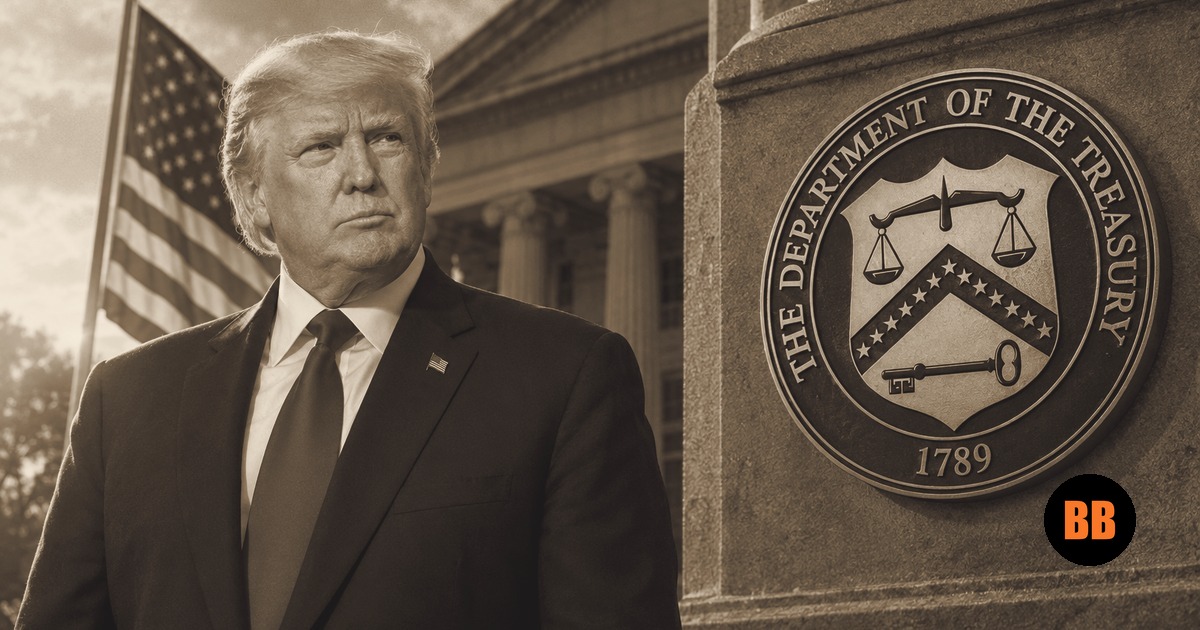
According to Bloomberg, the initiative could potentially span the Treasury, the State Department, and the US International Development Finance Corp. That spreads the push to promote dollar-backed stablecoins overseas across three arms of the US government rather than a single agency.
The joint ventures with private-sector firms are the commercial half of the initiative. The administration has not disclosed which private-sector firms would join the joint ventures, so the corporate partners behind the push to promote dollar-backed stablecoins overseas remain unnamed.
CoinDesk and Cointelegraph both cited the Bloomberg report, and neither diverged on the facts. All three accounts describe an initiative the Trump administration is considering, not a program it has launched.
Why Treasuries Sit at the Center
One stated aim of the initiative is boosting demand for US Treasuries. That aim ties the effort to promote dollar-backed stablecoins overseas directly to the market where the US government sells its debt.
The other stated aim is reinforcing the dollar's reserve-currency status. Taken together, the two aims describe a plan that would use dollar-backed stablecoins to carry both the dollar and demand for US Treasuries into markets overseas.
Placing the US International Development Finance Corp. alongside the Treasury and the State Department suggests the initiative is framed as foreign policy as much as payments policy. For Bitcoiners, the detail worth tracking is who ends up holding those dollar-backed stablecoins and, through them, the demand for US Treasuries the initiative is built to create.
Both stated aims, reinforcing the dollar's reserve-currency status and boosting demand for US Treasuries, serve the US government's balance sheet rather than the people who would hold the dollar-backed stablecoins.
Why It Matters
The plan echoes warnings Bitcoin investor Simon Dixon, co-founder of BnkToTheFuture, has long published on his blog, that dollar stablecoins backed by short-term Treasuries turn foreign users into financiers of US deficits. Dixon has also argued that Genius Act rules favor licensed bank issuers, building a corporate moat around tokens the state approves rather than hard money. The timing looks defensive, with other economies building rival rails such as Project mBridge, which carries China's digital yuan. The exit is bitcoin held in self-custody, which no Treasury auction can dilute and no licensed issuer can freeze.