Key takeaways
- Samuel Tunick faces a federal charge alleging a GrapheneOS duress passcode deleted phone contents before seizure.
- Federal prosecutors allege data destruction, while Tunick pleads not guilty and challenges the border search and seizure.
- Tunick's case puts device privacy, government seizure power, and the risk of self incrimination into direct conflict at the border.

Samuel Tunick faces a federal charge alleging that he supplied a GrapheneOS duress passcode that deleted phone contents before border agents seized the device. Tunick pleaded not guilty and challenged the border search and seizure.
Federal prosecutors alleged that Tunick illegally destroyed phone data to prevent its seizure. The defense argued that the border search and seizure were unlawful. Those opposing accounts put the government's authority and the phone wipe at the center of the case.
The Government Alleges Data Destruction
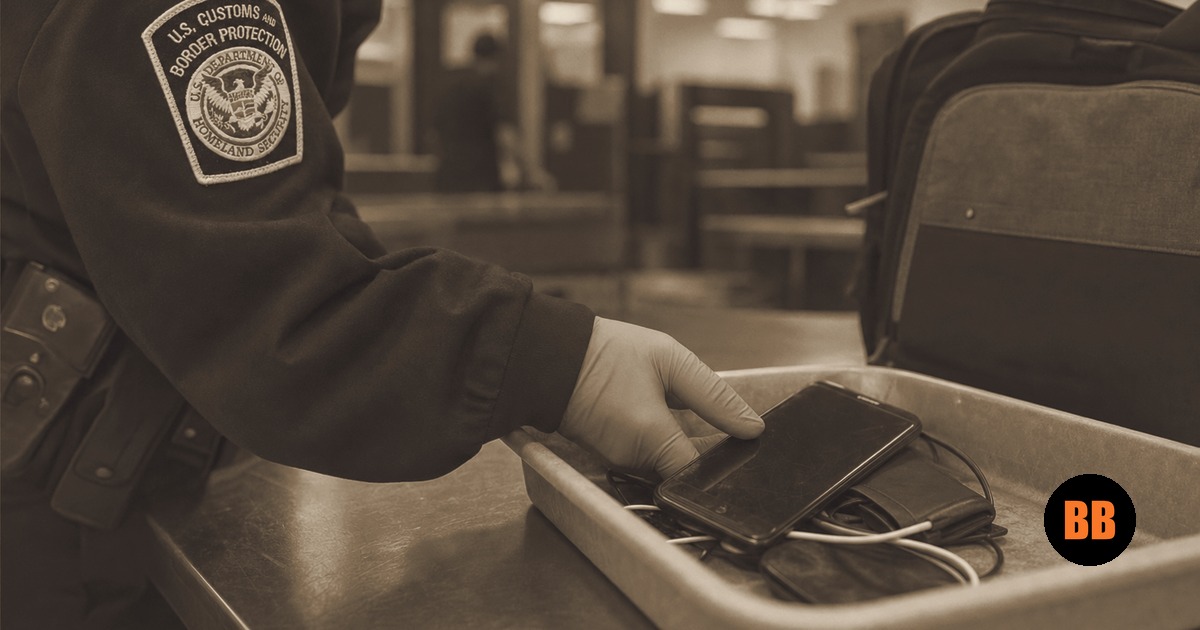
The federal charge centers on what allegedly happened before agents seized the device. Prosecutors say Tunick supplied a GrapheneOS duress passcode, and that the passcode deleted the phone's contents.
Under the government's account, the deletion went beyond a simple refusal to unlock the phone. Federal prosecutors alleged that Tunick illegally destroyed the data to keep border agents from seizing it.
The effect of the passcode is central to the charge. Prosecutors say a code entered during the border search made the phone's contents disappear before the device ever reached government custody.
Tunick Challenges the Search and Seizure
Tunick pleaded not guilty. His defense challenged the border search and seizure as unlawful, and it contests the government action that came before the alleged phone wipe.
Those positions produced a direct conflict. Federal prosecutors alleged unlawful destruction meant to prevent seizure, while Tunick's defense argued that the border search and seizure were themselves unlawful.
The case joins three issues in one set of facts: a GrapheneOS duress passcode, an alleged deletion before seizure, and a defense challenge to the border search. Together, the federal charge and that challenge put device privacy, the government's seizure power, and the risk of self incrimination into direct conflict. Neither side's account changes the basic sequence prosecutors allege: a duress passcode, deleted contents, and a device waiting to be seized.
Why It Matters
Samuel Tunick's federal charge over an alleged GrapheneOS phone wipe shows how a privacy feature can become the disputed act in a border prosecution. Prosecutors allege data destruction before seizure. Tunick pleaded not guilty and is challenging the search and seizure as unlawful. For Bitcoiners, the concrete sovereignty issue is the collision between private device control and government seizure power: a duress function built to protect information can end up at the center of a criminal case when authorities demand access to the device.