Key takeaways
- Luxor patches the Commander vulnerability within two hours and pledges to fully compensate affected mining clients
- Nick Hansen says Luxor now runs its own models on its own bare-metal hardware for defense
- Luxor pauses most new feature work to rotate keys, update kernels and pin dependencies after the hijack

Two Hours to Close the Hole
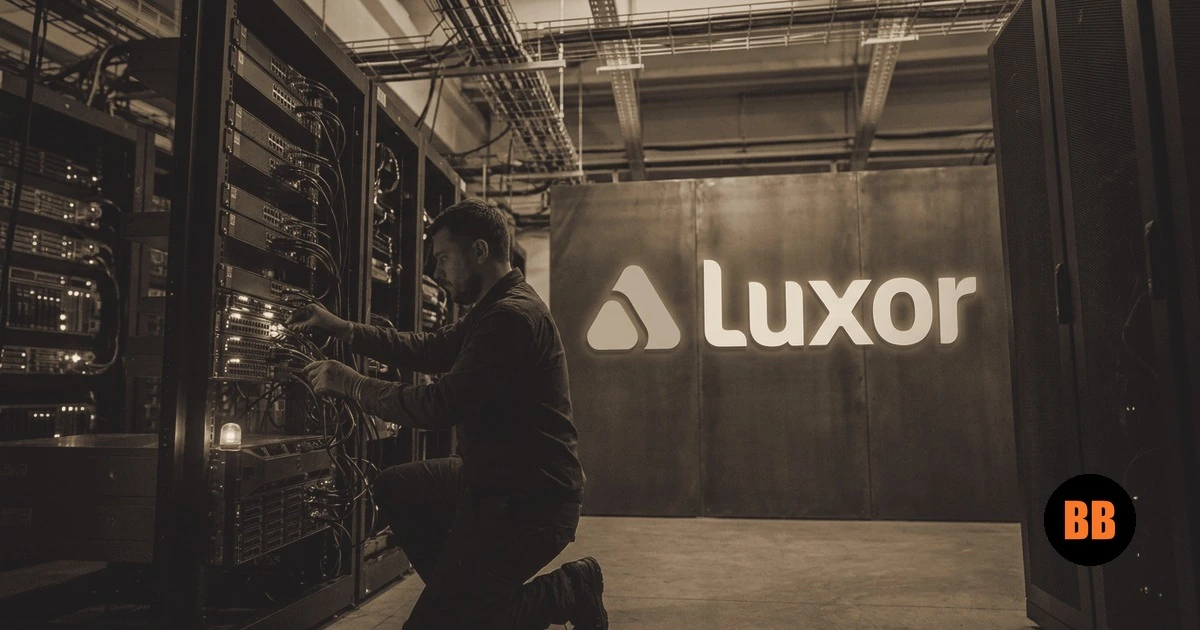
Luxor chief executive Nick Hansen said a subset of Commander customers were compromised through what he called a sophisticated attack vector enabled by super intelligence, and that Luxor was able to identify and patch it quickly. Luxor Technology said its Commander fleet-management software was compromised, briefly sending hashrate from just over a dozen client accounts to another mining pool.
Luxor's on-call engineers patched the vulnerability within two hours, and the company said the issue was limited to Commander. Luxor says it will fully compensate affected clients.
"We were able to identify and patch quickly," Hansen wrote.
Luxor has not yet published a post-mortem explaining how the attack worked, so the role of super intelligence in the breach rests on Hansen's own account. Luxor has not confirmed how much hashrate was redirected, how many machines were affected or how much was paid out to the other pool.
Defending With Its Own Hardware
Hansen said Luxor acquired its own bare-metal graphics processing units to run its own models for defense, so the models Luxor uses to defend Commander now run on hardware it owns.
"I urge anyone running a similar service to do the same," Hansen wrote.
Hansen aimed that advice at anyone running a similar service, not only at Luxor's own Commander clients.
New Features Wait
Hansen said Luxor has put the majority of its new feature work on hold while the team rotates keys, updates kernels, pins dependencies and responds to the daily feed of newly disclosed software vulnerabilities.
For Commander clients, the hold means fewer new features while Luxor rotates keys, updates kernels and pins dependencies across its systems.
Why It Matters
Luxor patched the Commander hole within two hours and will fully compensate affected clients, yet one compromised fleet-management tool still sent hashrate from just over a dozen client accounts to another mining pool. We believe the shift Hansen describes is healthy and necessary, because Bitcoin developers are recognizing that keep building no matter what must be accompanied by making sure what has been built is strong and resilient. Every hosted dashboard that controls miners is a trusted intermediary and a single point of failure, so miners who verify their own setups and keep control of their own machines carry less counterparty risk. Running your own models on your own hardware is the same self-custody instinct that keeps savers off exchanges, applied to the security of the tools miners depend on.