Key takeaways
- Democrats win control of the US Senate after flipping six Republican-held seats, the Associated Press reports.
- Jerome de Tychey says the stalled Clarity Act starts over next Congress unless it passes by January.
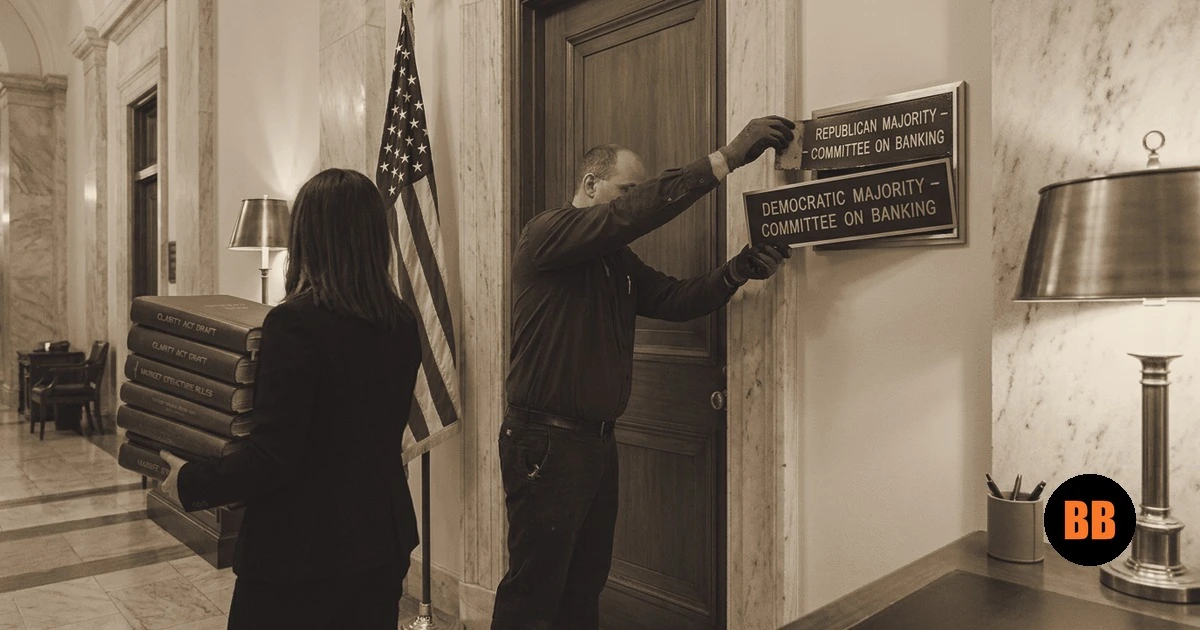
- Democratic control of the Senate decides which lawmakers lead the committees that oversee Bitcoin and crypto.

Six Flipped Seats Hand Democrats the Senate
Democrats have won control of the US Senate after flipping Republican-held seats in Texas, Ohio, North Carolina, South Carolina, Kansas and Iowa, the Associated Press reports. The new majority brings Democrats and the independents who caucus with them to 51 seats.
Democrats also won the House, which gives the party control of both chambers of Congress. The Senate result decides which lawmakers lead the committees overseeing the Bitcoin and crypto industry, and it reshapes the outlook for the stalled Digital Asset Market Clarity (CLARITY) Act.
The Market Structure Bill Goes Back to the Table
Jerome de Tychey, president of the industry group Ethereum France, said the bill now runs against the calendar.
"The CLARITY Act failed its Senate procedural vote 49 to 50 in September, and if it isn't passed by January, the next Congress starts again from scratch."
De Tychey said nothing will pass without cross-partisan support, so the industry will have to go back to the table and make its case again on substance. He said conflict-of-interest rules and customer protection obligations are things a mature industry should welcome, pointing to the EU's Markets in Crypto-Assets (MiCA) regulation that Europe already lives with. He also warned that the biggest risk is the issue becoming entrenched along party lines, which he said could set the US back several years.
New Gatekeepers, More Scrutiny
Democratic control of the Senate could bring more congressional scrutiny of Trump-linked businesses and of the decisions regulators have made. The Senate result also shapes committee leadership and the confirmation of future nominees to regulatory posts, the officials who write and enforce the rules the industry lobbies over.
Kelly Ye, head of research at institutional digital asset trading platform Talos, said markets had largely priced in the election outcome and saw no major leverage flush.
"The election was the main event, but markets had largely prepared for it."
Why It Matters
For years the biggest Bitcoin and crypto firms spent their lobbying budgets on rules that wall off their own market share, a moat for incumbents dressed up as consumer protection. They never pushed as hard for tax abolition or for the freedom to spend sats peer to peer without permission, so a new Senate majority mostly changes which gatekeepers they court, whose committee rooms they fill and which donors they flatter next. Bitcoiners doing grassroots adoption work lose nothing here, because no committee chair can edit the money supply or veto a transaction. That indifference is the point: the network keeps producing blocks on the same incentive schedule whichever party chairs the committees, and no policy shift can rewrite the supply of Bitcoin.