Key takeaways
- New Hampshire's Executive Council rejects a $100 million CleanSpark-linked revenue-bond conduit by a 3-2 vote.
- New Hampshire documents exclude state debt, public repayment, and government guarantees from the private Bitcoin financing proposal.
- CleanSpark's proposed bonds carry 175% initial Bitcoin collateral and trigger mandatory liquidation below a 140% threshold.

A private borrower behind a public conduit
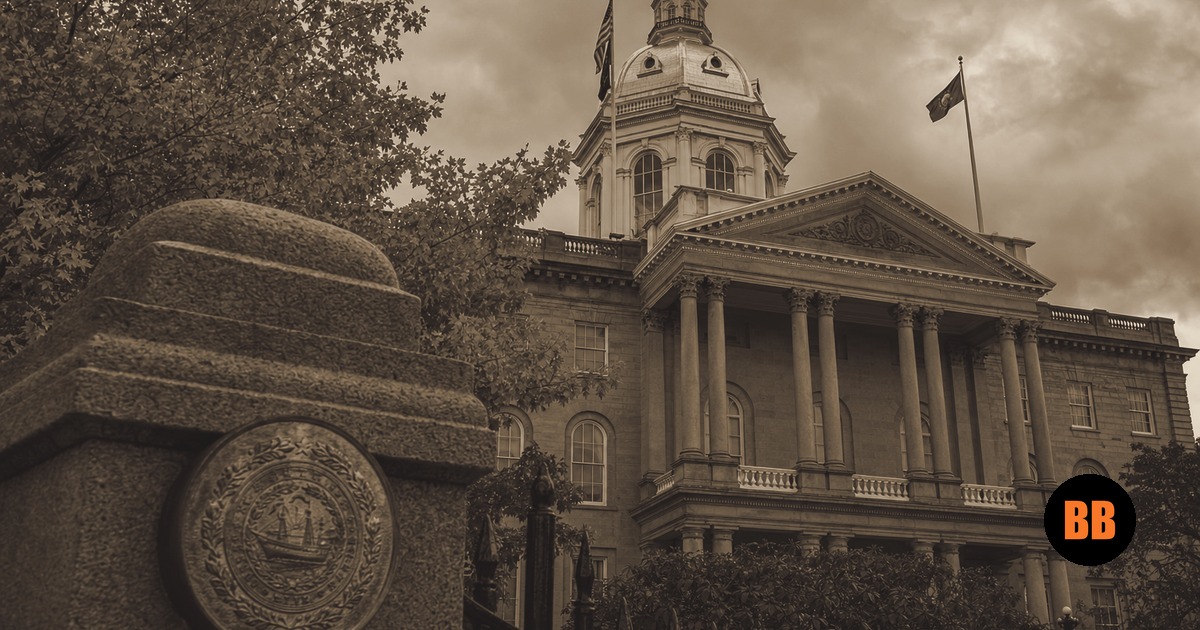
New Hampshire's Executive Council voted 3-2 on July 8 to reject a proposed taxable revenue-bond conduit of up to $100 million for a private CleanSpark-linked borrower. The vote stopped the final state authorization even though the documents denied state debt, state or Authority guaranties, and repayment from public funds.
The Business Finance Authority would have issued the formally titled Revenue Bonds (Waverose Finance Project), Taxable Series 2026 and loaned the proceeds to NH CleanSpark Borrower Trust 2026-1. The trust planned to finance a Bitcoin acquisition by its parent, NH CleanSpark Guarantor 1, LLC, and cover issuance expenses. CleanSpark, Inc. owns the guarantor, which owns the borrower.
Repayment stays outside public funds
The bond packet drew a firm line around public liability. It said the trust indenture would not create state debt, the bonds would carry no state or Authority guaranty, and neither Authority money nor other public funds could repay them. Borrower payments and pledged trust assets were the issuer's repayment source, backed by an unconditional parent guaranty.
The proposed protections went beyond a simple promise to pay. Initial Bitcoin collateral was set at 1.75 times bond principal. A mandatory-redemption trigger would activate after three consecutive Bitcoin price checks at ten-minute intervals put collateral below the defined 140% threshold, after which a liquidation agent would have no more than 12 hours to sell enough bitcoin. The structure also contemplated reserve funding and a pre-funded interest account.
The final permission gate
The Authority's role was conduit issuer. New Hampshire's treasury was not the borrower. Private investors would buy the bonds, the private borrower would receive the loan, and the borrower group would carry the payment obligation. The Authority and bondholders were also assigned defined shares of any Bitcoin-collateral appreciation under specified maturity or redemption conditions.
None of those terms made approval automatic. The proposed resolution barred the Authority from taking further action until the governor and Executive Council passed it. Three councilors voted no, two voted yes, and the unissued transaction stopped at the last government gate. No state-backed Bitcoin purchase was proposed, and taxpayers were expressly excluded from repayment.
Why It Matters
Government machinery rejected a private financing conduit even after the documents fenced state debt, state guaranties, and public-fund repayment out of the deal. Investors, the borrower, its parent, and pledged collateral carried the financial obligations, while the Authority would have received a contractual share of potential appreciation. The remaining state role was permission, and a 3-2 vote was enough to withdraw it. Bitcoin's monetary network evolves through voluntary participation and rules that users can verify; open rails matter because permission should not be the scarce asset in a monetary system.