Key takeaways
- Alfa-Bank tests limited Bitcoin and token trading through Alfa Investments, restricting initial access to qualified investors.
- Alfa-Bank plans a controlled digital depository that monitors transactions and blocks transfers to unauthorized addresses.
- Alfa-Bank has not disclosed customer self-custody withdrawals, recovery procedures, or account-freeze conditions for the planned service.

A narrow test before any broad launch
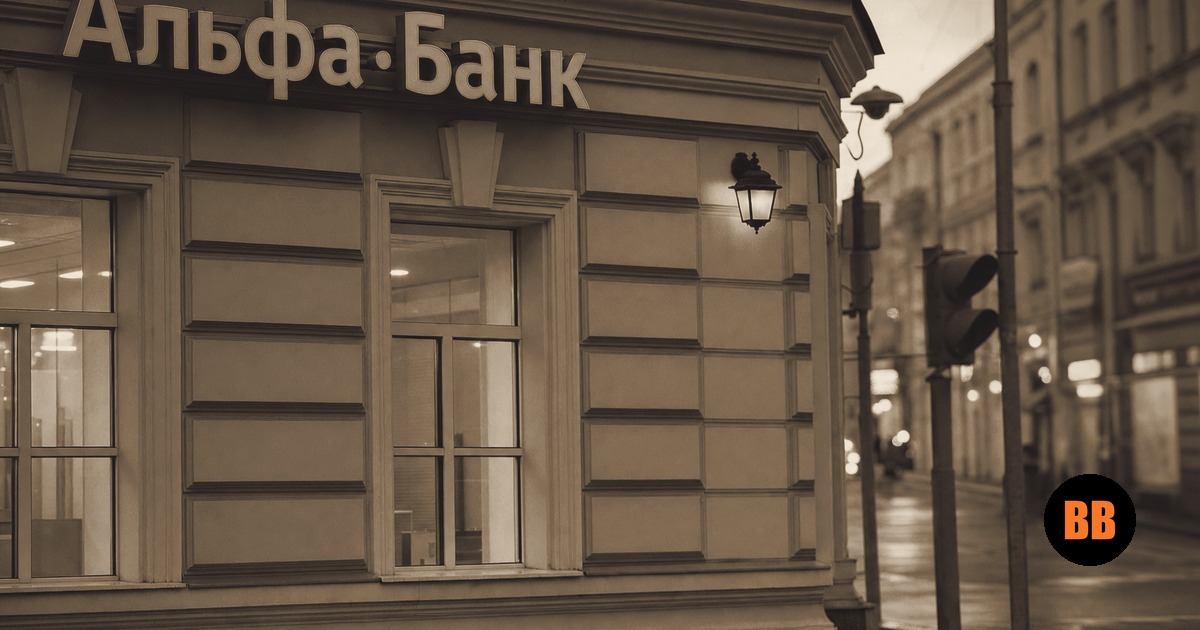
Alfa-Bank was reported on July 9 to be testing a limited Bitcoin and token trading service through Alfa Investments. The test restricts access to qualified investors, while Russia's largest private bank separately outlined a bank-controlled digital depository and broader brokerage and custody services for a later regulated rollout.
The two stages are easy to blur. The current report concerns a restricted test, while the wider service stack depends on legislation that has not yet taken effect. Bitcoin Magazine and The Block report a possible broader launch between late 2026 and early 2027. Alfa-Bank has not announced unrestricted retail access or a firm date.
The depository comes with controls
The Alfa Investments interface includes an account application and onboarding flow, with account funding and in-app purchase instructions. The available product page does not identify the eligible cohort, supported assets, custody terms, withdrawal rights, or the legal scope of a broader service. Alfa-Bank has not announced a nationwide retail launch through that interface.
Bitcoin Magazine reported that the bank-controlled digital depository would record and store assets, monitor transactions, and block transfers to unauthorized addresses. The bank is also considering investment products that operate on open blockchains. An open underlying network does not automatically open the customer account above it; access, custody, and transfer permissions can still remain inside the bank's regulated perimeter.
Exposure and ownership stay separate
A bank interface could put bitcoin in front of customers who would never install a standalone wallet. That is a real distribution advantage, particularly when the account already sits beside savings, brokerage, and payment products. It also keeps the relationship familiar: the institution verifies the customer, selects the permitted service, and records the position.
Alfa-Bank has not disclosed whether customers can withdraw bitcoin to self-custody, which recovery model applies, or what conditions could freeze an account. Until those details arrive, the product offers controlled exposure rather than a demonstrated path to bearer ownership.
Why It Matters
Deplatforming and payment censorship expose the weakness of systems where access can disappear at an intermediary's command. Open networks matter because their rules do not depend on a bank deciding that a user, transaction, or destination remains acceptable. Alfa-Bank may widen the Bitcoin funnel, but qualified-investor gates, bank custody, monitored transfers, and undisclosed withdrawal rights rebuild a walled garden around that access. Bitcoin-native sovereignty begins when users can withdraw to self-custody, verify their own balance, and transact without asking the institution to keep the door open; exposure can start the journey, but holding the keys completes it.