Key takeaways
- FinCEN assesses a $1.2B penalty against Bank of America over Chinese money laundering networks and border illicit finance.
- Bank of America admits it willfully violated the Bank Secrecy Act and failed to maintain an adequate anti-money laundering program.
- The BBC reports Bank of America failed to report over $5B in suspicious activity, citing the Treasury.

The Financial Crimes Enforcement Network (FinCEN) assessed a $1.2B penalty against Bank of America for failing to mitigate and report priority national security risks, including Chinese money laundering networks and illicit finance along the southwest border. Bank of America admitted that it willfully violated the Bank Secrecy Act (BSA) and failed to implement and maintain an anti-money laundering (AML) program that met the minimum requirements.
According to the BBC, which cited the Treasury, Bank of America failed to report over $5B in suspicious activity, $1B of which posed national security and illicit finance risks. The BBC reported that the penalty is the third-largest the Treasury department has ever imposed.
What Bank of America Admitted
FinCEN said the bank failed to mitigate and report priority national security risks. Those risks included Chinese money laundering networks and illicit finance along the southwest border. FinCEN's release put the admission plainly:
"Bank of America admits that it willfully violated the BSA and failed to implement and maintain an AML program that met the minimum requirements"
The admission covers both halves of the job: Bank of America failed to maintain an AML program that met the minimum requirements, and it failed to report priority national security risks tied to Chinese money laundering networks.
A Different Outcome for Samourai Wallet
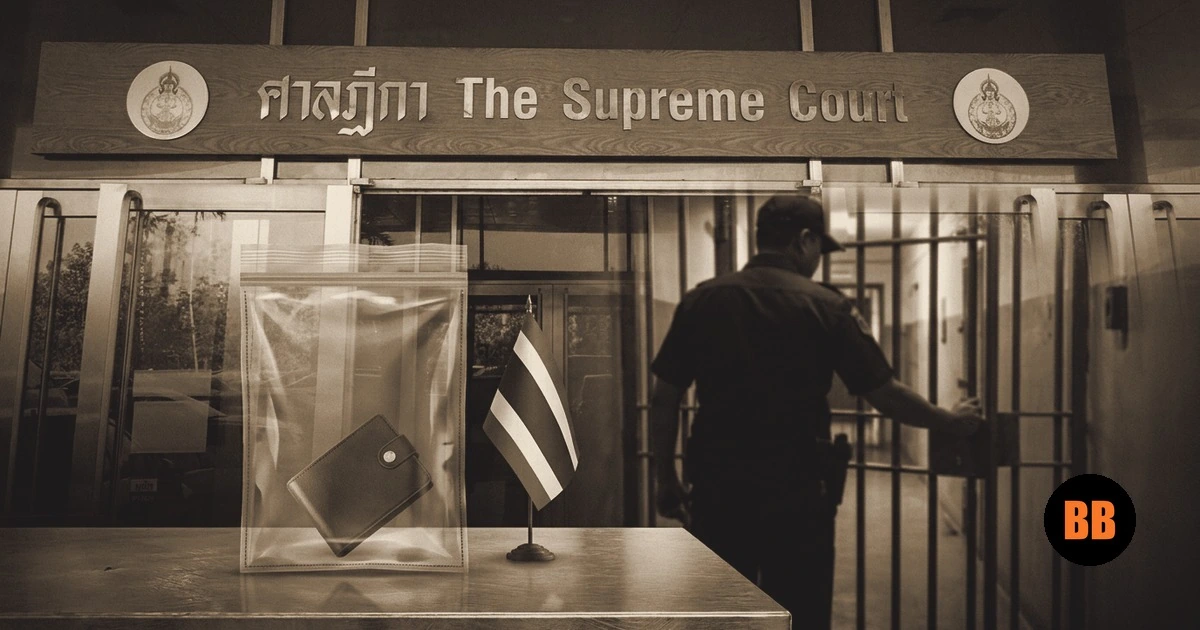
For Samourai Wallet, enforcement meant prison rather than a penalty. Samourai Wallet co-founders Keonne Rodriguez and William Lonergan Hill were sentenced to five and four years in prison, and the IRS said the Samourai mixer facilitated over $237M in illegal transactions.
The Bank of America penalty shows that the traditional banking system, with all its surveillance and regulation, has not prevented criminals from using its services either.
Why It Matters
FinCEN assessed a $1.2B penalty against Bank of America after the bank admitted it willfully violated the Bank Secrecy Act, and that challenges the mainstream claim that Bitcoin is for criminals. We think the traditional banking system, with all its surveillance and regulation, has not successfully prevented criminals from using its services, even as it asks every customer to give up their privacy in exchange for that promise. The incentive gap is stark, because the Samourai Wallet co-founders went to prison while Bank of America was assessed a penalty and keeps its place as a gatekeeper of the fiat system. Bitcoin lets you hold and verify your own money in self-custody without trusting intermediaries that surveil you and still miss billions in suspicious activity.