Key takeaways
- The OCC finds all nine of the largest national banks it supervises had policies that may have limited service.
- The OCC says the banks' broad reputation risk policies lacked clear standards and objective, risk-based criteria.
- The OCC report lists digital asset activities among restricted sectors but gives no specific crypto debanking examples.

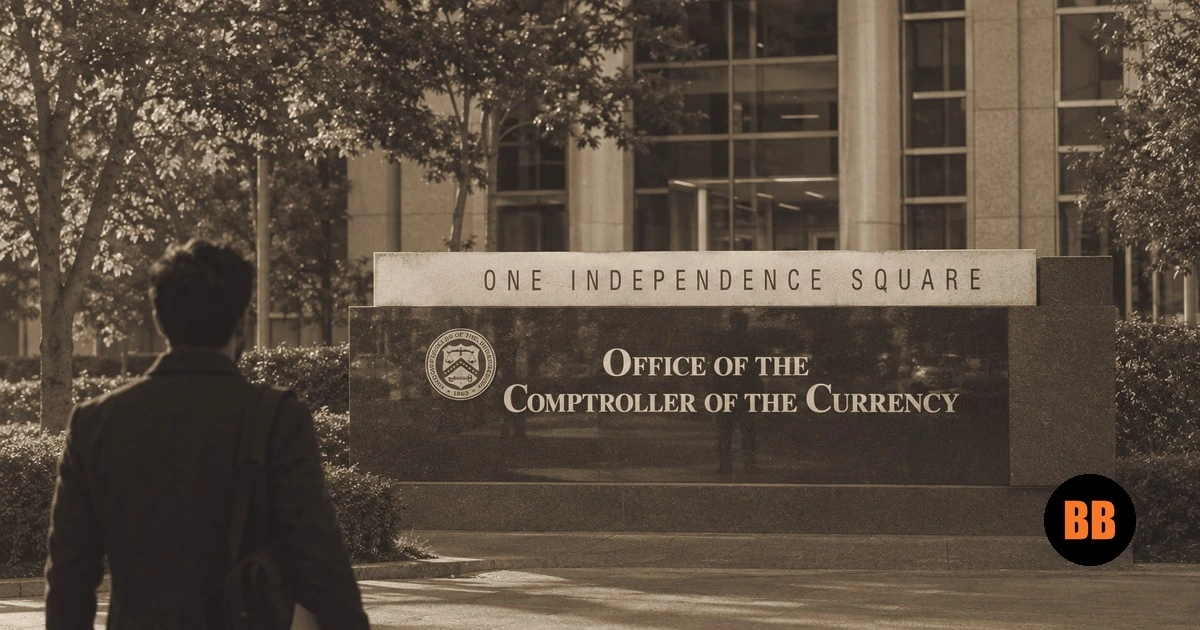
The Office of the Comptroller of the Currency (OCC) said its supervisory review of the nine largest national banks it supervises found that all nine had policies that may have required, encouraged or otherwise influenced the denial or limiting of financial services based on political or religious beliefs or lawful business activities. The OCC findings cover the period between 2020 and September 2025.
The OCC also said the banks maintained public and nonpublic policies restricting certain industry sectors' access to financial services, including digital asset activities. That puts Bitcoin and crypto businesses among the restricted sectors in the OCC's own review of the nine largest national banks it supervises.
Reputation Risk Without Standards
The OCC tied the problem to broad reputation risk policies at the nine banks. It said those policies lacked clear standards and objective, risk-based criteria, and it described what the policies did:
"broad reputation risk policies ... disadvantaged certain Americans based on their political, religious, or social views or based on their lawful business activities."
As the OCC described them, those reputation risk policies let the banks deny or limit financial services on vague standards instead of objective, risk-based criteria. Americans engaged in lawful business activities could be disadvantaged for their political, religious or social views or for the sector they worked in.
What the Report Leaves Out
The OCC's 47-page report did not include specific examples of debanking relating to digital asset activities. The OCC was also unable to quantify on a comprehensive basis the full extent of debanking at the nine banks.
The OCC's own wording is that the policies "may have required, encouraged, or otherwise influenced" the denial or limiting of financial services. The 47-page report lists digital asset activities among the restricted sectors without being able to quantify the full extent of debanking of Bitcoin and crypto customers.
Why It Matters
The OCC found that all nine of the largest national banks it supervises had policies that may have limited financial services over beliefs or lawful business activities, and digital asset activities sat on the list of restricted sectors. We think that is what happens when access to money runs through gatekeepers who answer to vague reputation risk instead of objective criteria, and no new policy removes the incentive to cut off whoever looks inconvenient next. Bitcoin wallets carry none of these restrictions or reputation risk standards, because they are open-source code that anyone with an internet connection can download and use. People who want to transact with whom they choose do not have to wait for regulators to change things, which is the whole point of self-custody and Bitcoin sovereignty.