Key takeaways
- Trezor reduces its number of resellers so it can more effectively check every partner it keeps working with.
- Ledger confirms an unauthorized hardware implant in one affected user's device bought through the reseller CryptoBilis.
- Trezor says there is not a single piece of evidence that its own devices have been compromised.

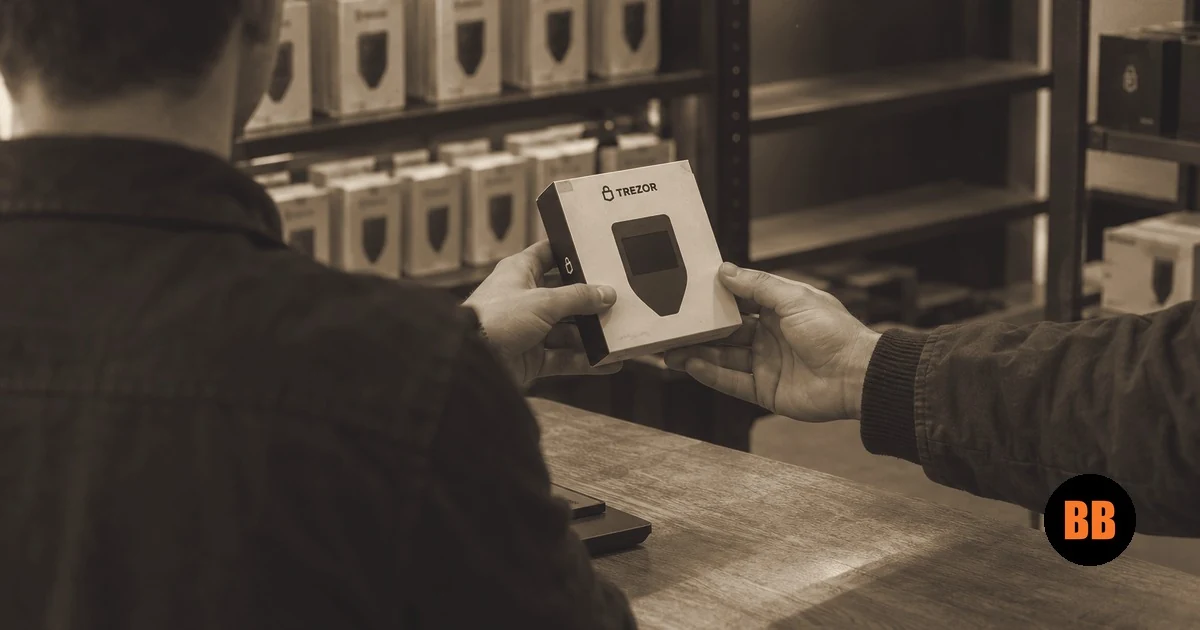
Trezor said it decided to reduce the number of resellers so it can more effectively check those it works with, following recent supply chain incidents. The hardware wallet maker said there is not a single piece of evidence that Trezor devices have been compromised, and called the reseller cut a preventive step taken out of an abundance of caution.
Trezor's move follows an investigation by Ledger, which said customers in South East Asia reported they lost funds after buying devices from the reseller CryptoBilis. Ledger has only confirmed an unauthorized hardware implant in one affected user's device.
What the Implant Does
A Trezor spokesperson said the implant "doesn't modify the firmware, but reads information on the screen and later sends it to the attacker." The spokesperson added that Trezor has not seen this specific type of attack on its own devices:
"So far, we have not seen this specific type of attack on Trezor devices in the real world."
Third-party estimates of the CryptoBilis losses vary, and Ledger says it has not verified a total. Trezor's post does not name the resellers it will drop or say how many resellers it will cut.
Seed Generation Was the Last Warning
Hackers in July stole close to $120M in bitcoin from Coldcard users because of a firmware bug. Coinkite, Coldcard's maker, said the bug led to faulty seed generation that allowed hackers to guess seed phrases. The Coldcard flaw sat in the code that generates seeds, while the Ledger case involves an unauthorized hardware implant in a device bought from a reseller.
Trezor's X profile describes the company as 100% open source. Its reseller post does not address hardware design or the components inside its devices.
Why It Matters
A hardware wallet is only as safe as the path it takes to the buyer, so Trezor shrinking its reseller network to partners it can check fixes the right incentive, but it still asks you to trust a supply chain you cannot see. After the Coldcard seed generation failure and an unauthorized hardware implant in a device sold by CryptoBilis, we think the industry has to re-examine closed-source hardware components and move toward open-source, transparent hardware that users can verify themselves. The wrong lesson would be retreating into custodians and paper bitcoin, which swap one hidden counterparty for a bigger one and hand your keys to a gatekeeper. Self-custody stays the answer for Bitcoin, and open hardware you can verify is how it stays trustless.