Key takeaways
- Mr Justice Turner rules Chinese law governs the proprietary rights victims must show to claim the seized bitcoin.
- The High Court ruling leaves open who owns the more than 61,000 bitcoin seized by the Metropolitan Police.
- Fieldfisher tells the Financial Times it is pursuing an appeal of the High Court's choice of law ruling.

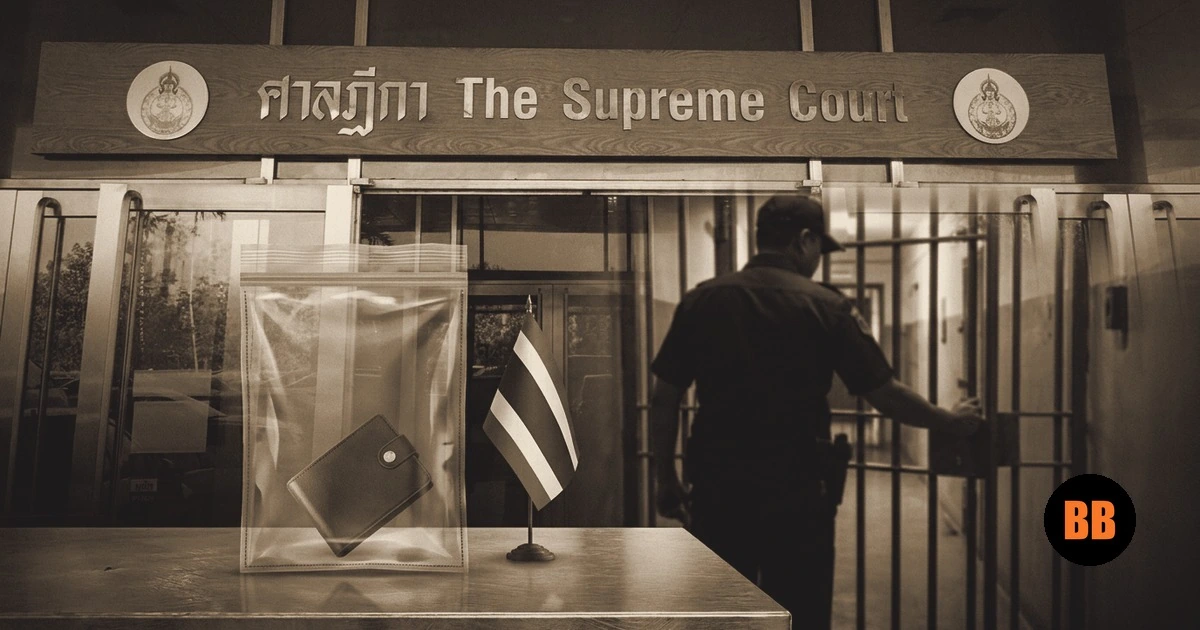
Mr Justice Turner, a judge of the High Court of England and Wales, ruled that Chinese law, not English law, governs the proprietary rights victims must show to claim the more than 61,000 bitcoin seized by the Metropolitan Police. The ruling in Director of Public Prosecutions v Zhimin Qian did not decide who owns the bitcoin, and the court must still determine whether the investors have ownership rights under Chinese law.
Victims had sought to apply English law because it could have allowed them to claim direct ownership of the bitcoin, rather than merely seek compensation as creditors. The case remains before the High Court in London.
A Narrow Question With a Large Bill
The judgment said the issue at this stage is limited to whether the law of England, China or a combination of the two will later apply to the substantive legal issues the victims' claims raise. The judgment's answer was short:
"the applicable law is Chinese law."
The judgment said any issues concerning the content, effect or proof of that law are matters for a later stage. Under section 281, a victim must show a proprietary interest, and the judgment said it is not sufficient merely to show a claim against the perpetrators as a creditor for the value of the money parted with.
Who Keeps the Gains
The Block, citing the Financial Times, reported that victims may struggle to establish ownership of the seized bitcoin under Chinese law, which could improve the UK government's chances of retaining much of the seized bitcoin, valued at around £3.8B ($5B).
About 16,000 Chinese victims joined the UK proceedings and could be limited to their original investments and interest rather than a share of bitcoin's gains, The Block reported, citing Caixin. Law firm Fieldfisher told the Financial Times it was pursuing an appeal, The Block reported.
Why It Matters
Transactions within the Bitcoin network are final and cannot be reversed, so no court touched the settlement itself, and the fight is over the legitimacy of those transactions and who ends up with the proceeds. This narrow choice of law decision carries large financial consequences, because victims who cannot prove ownership under Chinese law could be paid as creditors in fiat while the state keeps the appreciated bitcoin. We think the incentive here is ugly, because the government holding the seized bitcoin gains from every reading that turns owners into creditors. Seizure is a custody problem, and the lesson for every Bitcoin holder is that coins held in someone else's custody become someone else's argument.