Key takeaways
- Olga Shishlyannikova of the Bank of Russia says ordinary investors may trade bitcoin on margin up to 300,000 rubles.
- Moscow Exchange plans a Dec. 1 crypto trading launch as ordinary investors gain capped bitcoin access this week.
- Some firms avoid the Bank of Russia's public registry for fear of sanctions, an industry source says.

Margin for Ordinary Investors
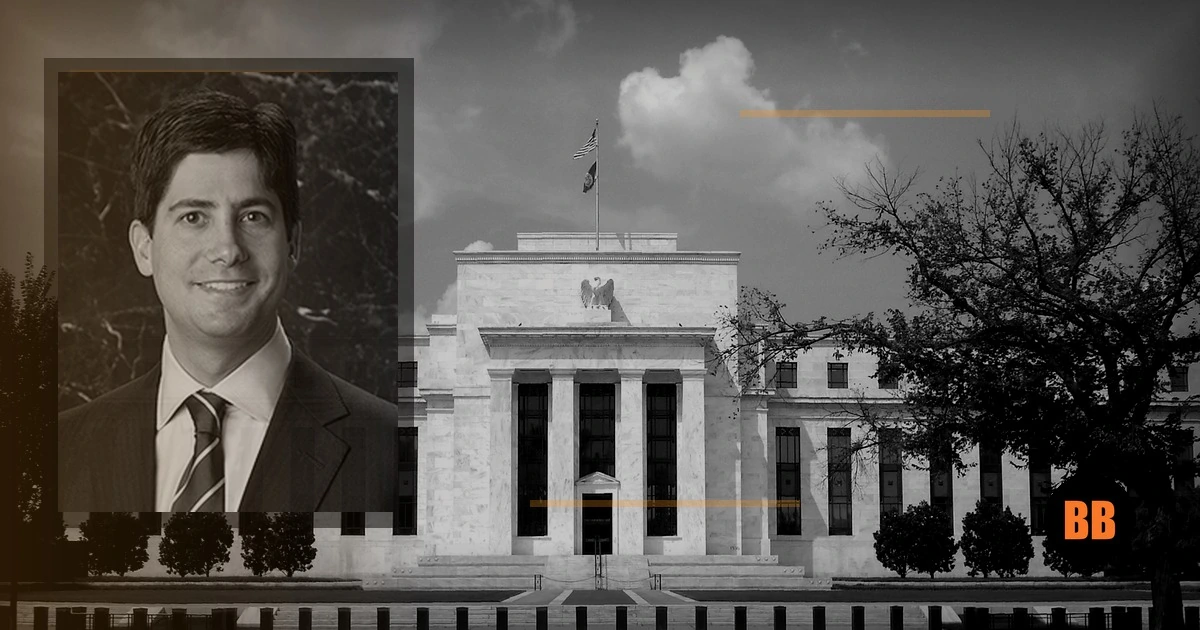
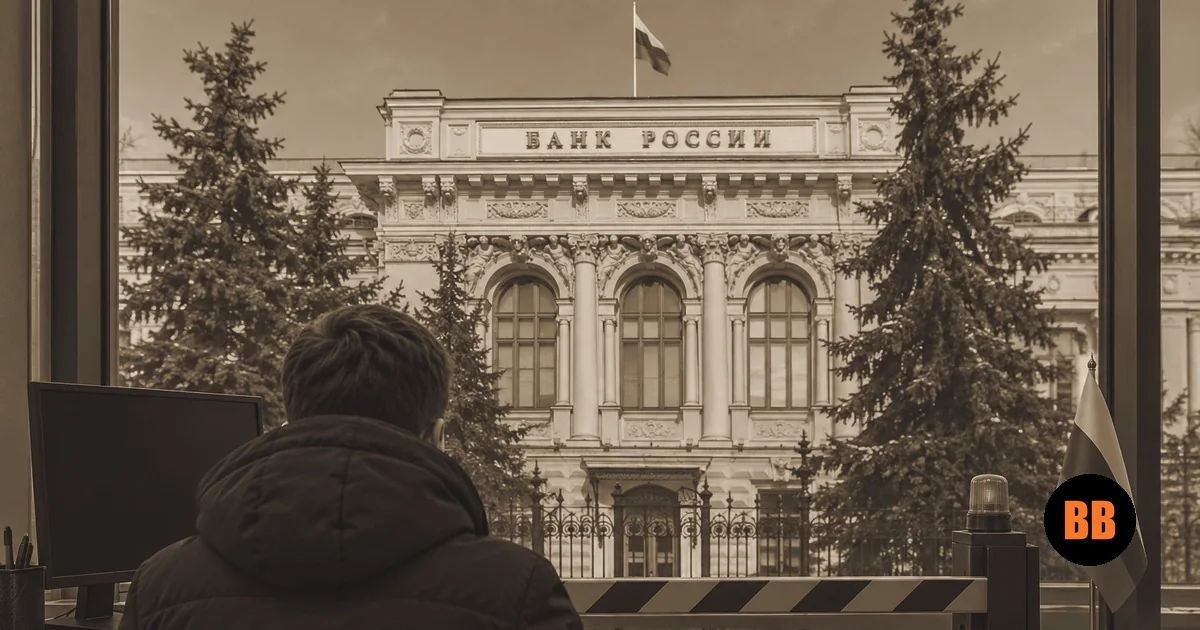
Russia's central bank plans to let ordinary, non-qualified investors trade bitcoin and altcoins on margin, capped at 300,000 rubles with a broker, according to Olga Shishlyannikova, director of the Bank of Russia's department of investment financial intermediaries.
The margin rule and two other acts are under Justice Ministry review, and the regulator expects registration by the end of 2026. The margin step is a plan, not yet in force.
It remains unclear whether the 300,000-ruble margin cap is shared with the cap on spot purchases. Margin rules were first drafted in July, and that draft allowed crypto collateral and short selling.
Retail Access Arrives in Stages
Ordinary investors became able this week to buy bitcoin, ether and Tether (USDT) through brokers and exchange offices, capped at 300,000 rubles a year per intermediary. Qualified investors could buy crypto from Sept. 1.
Moscow Exchange plans to launch crypto trading on Dec. 1, initially as a pilot, and the central bank expects the first crypto mutual funds for qualified investors in 2027.
Bank of Russia Deputy Governor Philipp Gabunia said retail crypto futures can wait, without giving a timeline, so the margin plan is the next step for ordinary investors rather than futures.
Sanctions Cloud the Rollout
Some firms are reluctant to join the central bank's public registry for fear of sanctions, according to an industry source. The registry listed 30 operators, but registration does not mean customers can already trade, and one industry source could not identify a registered operator with confirmed retail access.
The European Union's 22nd sanctions package may also hit crypto platforms, adding pressure on any Russian firm that serves ordinary investors under the new rules.
A senior Bank of Russia official described the margin plan this week, days after retail buying became legal. The margin plan would extend a regime that so far lets ordinary investors buy bitcoin only through brokers and exchange offices, within the 300,000-ruble yearly cap per intermediary.
Why It Matters
Russia is expanding its regulated bitcoin market in stages, from qualified investors to ordinary investors and now a planned margin cap of 300,000 rubles, which we read as a signal of real interest in the ecosystem. Yet every policy step still runs through state permission: caps of 300,000 rubles a year per intermediary, a registry that some firms avoid for fear of sanctions, and rules waiting on Justice Ministry review. We think Russians get the full benefit of Bitcoin only when the government abandons the taxes, regulations and licensing rules on its use as everyday money, because money that needs a licensed broker and central bank approval to spend stays on the state's leash.