Key takeaways
- Kevin Warsh wins a 51-45 Senate vote for a 14-year Federal Reserve governor term
- Reuters says Warsh moved closer to replacing Jerome Powell before the May 15 chair handoff
- Warsh has framed Bitcoin as a policy signal, not merely a speculative threat

A Bitcoin-Aware Fed Pick Advances
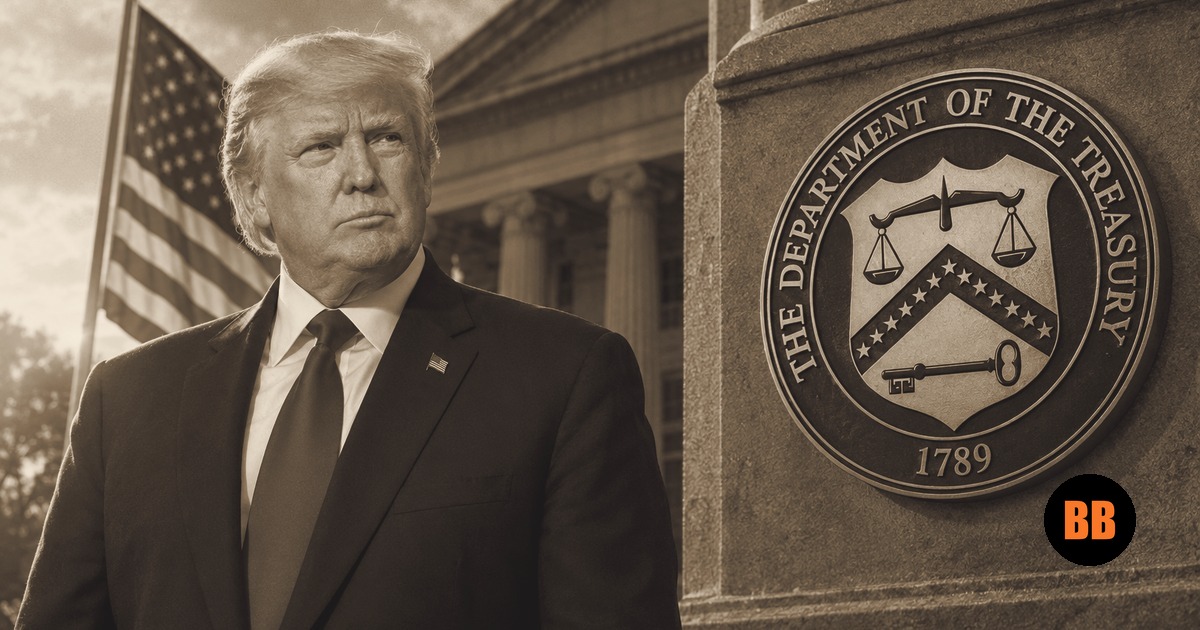
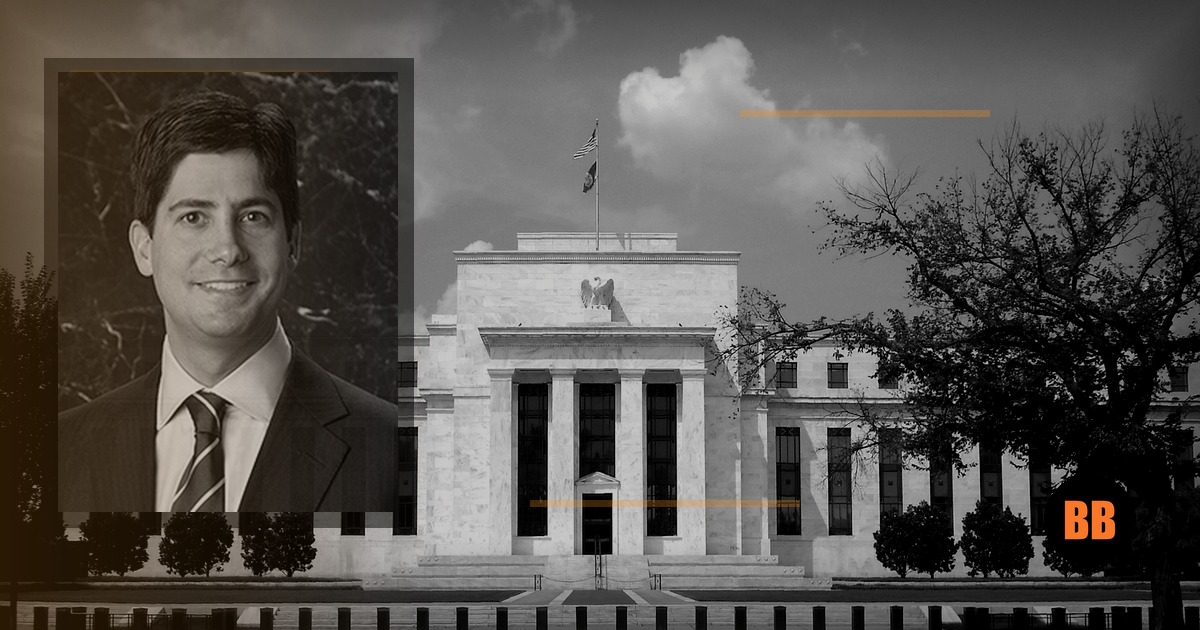
Kevin Warsh moved closer to the Federal Reserve chair after a Senate procedural hurdle cleared on Monday and a follow-up vote confirmed him to a 14-year governor term. Reuters reported that Warsh, President Donald Trump's pick to lead the central bank, was positioned for a smooth handoff from Jerome Powell, whose four-year chair term ends on Friday, May 15.
CBS News reported Tuesday that the Senate confirmed Warsh to the Board of Governors in a 51-45 vote. The chairmanship still requires a separate Senate vote, but the governor confirmation was the hard mechanical step that puts him inside the institution before the leadership handoff. Warsh would return to the Fed after serving as a governor during the global financial crisis, a credential markets read as stability even as Washington pressures the central bank over rates and independence.
The Bitcoin Signal
The Bitcoin angle is not ornamental. Bitcoin Magazine has documented Warsh's public comments describing Bitcoin as an important asset and a very good policeman for policy. In plain English, that means Warsh has treated the bitcoin price as a live market signal about monetary credibility rather than as a nuisance to be contained.
"Bitcoin is an important asset."
That framing is a sharp break from the posture of many previous central bank leaders. The old playbook treated Bitcoin as speculative froth, a consumer-protection talking point, or an awkward side effect of easy money. Warsh's comments suggest a different mental model. He appears to understand that a neutral, scarce asset can expose when policy loses trust.
What Changes If He Gets The Gavel
The distinction is subtle but useful. A chair who sees bitcoin as information may ask different questions when inflation expectations drift, when bank funding stress appears, or when investors move outside duration-heavy dollar assets. That does not mean policy follows bitcoin. It means Bitcoin becomes harder to ignore.
Warsh would not make the Federal Reserve pro-Bitcoin. The Fed's mandate remains prices, jobs, bank supervision, and the plumbing of dollar liquidity. But leadership matters because it sets what the institution is willing to notice. A chair who sees Bitcoin as a monetary credibility gauge is different from a chair who treats it as a casino chip.
The timing matters too. Powell's chair term ends May 15, and the next leader inherits a central bank facing political heat, fiscal dominance risk, and a market that no longer pretends debt levels are a rounding error. A Bitcoin-aware chair does not make fiat sound. It does, however, make it harder for the Fed to pretend the outside scoreboard does not exist.
Why It Matters
Bitcoiners should not confuse recognition with alignment. A Warsh-led Fed would still defend the dollar system, still manage bank reserves, and still operate inside a fiat machine that rewards discretion. But the symbolism is real. If the next Fed chair treats Bitcoin as a policy signal, not a threat, then the world's most important central bank has admitted the market can audit it in real time. That is a small sentence with a large monetary shadow.