Key takeaways
- Kevin Warsh wins a 54-45 Senate vote to chair the Federal Reserve for four years.
- CBS reports Warsh was separately confirmed 51-45 as a governor through 2040.
- AP says April CPI hit 3.8%, while producer prices rose 6.0% year over year.

Warsh Gets The Chair Vote
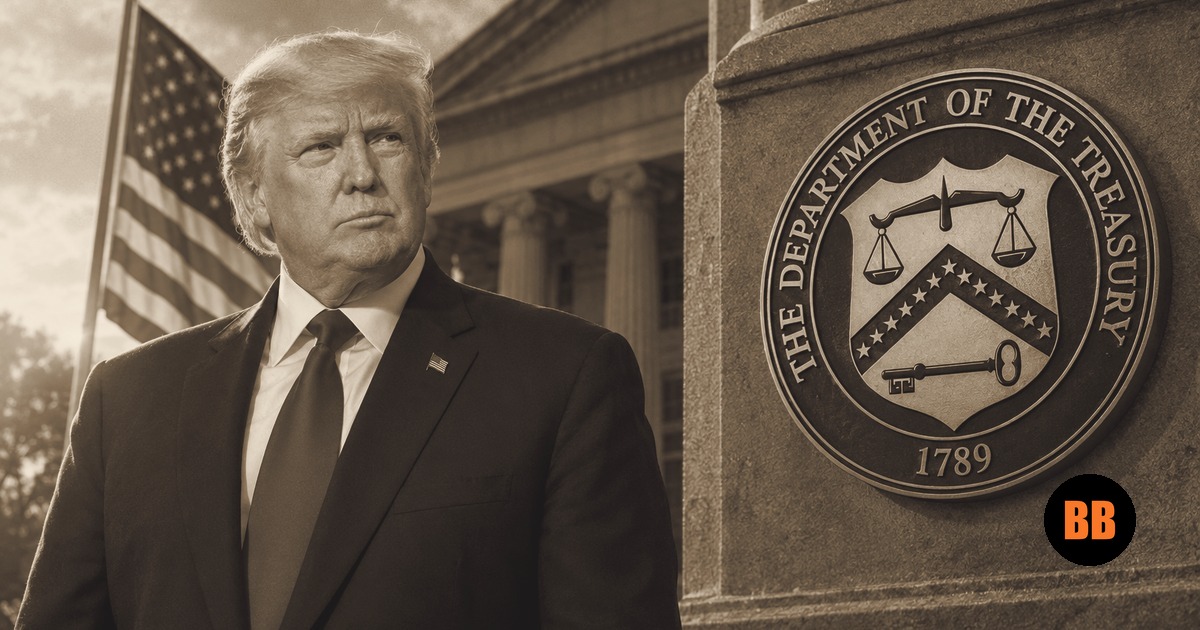
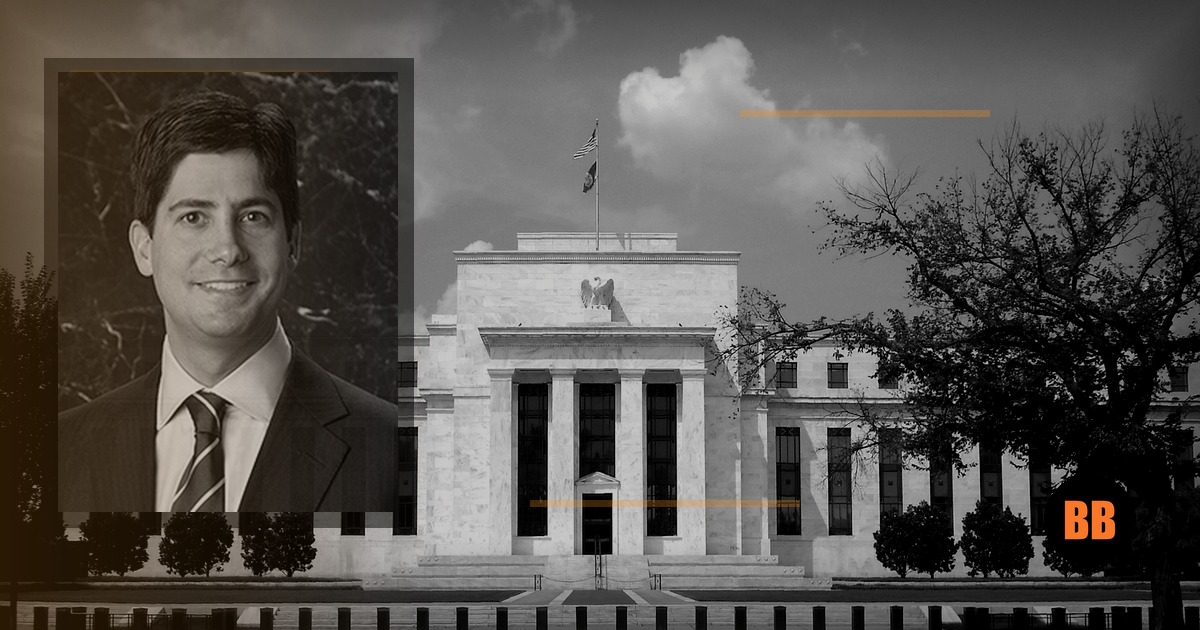
Kevin Warsh moved from nominee to incoming Federal Reserve chair after the Senate confirmed him on May 13, closing the separate vote that had still been pending when CBS News reported his confirmation as a victory for President Donald Trump. The final chair vote was 54-45, with Democratic Sen. John Fetterman joining Republicans.
The confirmation followed a 51-45 vote one day earlier to put Warsh on the Federal Reserve Board of Governors for a 14-year term. CBS reported that the governor seat runs until 2040, while the chair term begins Friday, May 15, when Powell's four-year leadership term expires. Powell has said he will remain on the Fed board, which means the leadership change starts with an unusual internal shadow rather than a clean exit.
'Monetary policy independence is essential.'
That line, which CBS attributed to Warsh's confirmation hearing, now becomes the first test of his chairmanship. President Trump has spent months demanding lower rates. AP reported that the Consumer Price Index (CPI) rose 3.8% from April 2025, while producer prices rose 6.0% from a year earlier in April. Reuters market coverage put the Producer Price Index (PPI) at 6% annually, versus a 4.9% forecast, which is the sort of inflation tape that makes rate-cut politics harder to sell.
A Fed Critic Takes The Console
Warsh is not a random Wall Street transplant. He served as a Fed governor from 2006 to 2011, sat inside the crisis-era Bernanke Fed, and later became one of the institution's sharper critics. Axios reported that he stepped down with misgivings about post-crisis stimulus and has since accused the Fed of mission creep and policy failure during the 2021-2022 inflation surge.
Reuters said Warsh wants a smaller balance sheet and tighter coordination with Treasury and the administration on non-monetary policy. That combination will matter to every asset that trades off liquidity, duration, and dollar credibility. It also makes his public Bitcoin comments more than fan service. Bitcoin Magazine has described Warsh as saying Bitcoin is an important asset and a useful policy signal, not merely a speculative threat.
The Bitcoin Signal Enters The Room
That does not make the Federal Reserve pro-Bitcoin. The chair still has one vote on the Federal Open Market Committee (FOMC), and the same institution still manages a fiat unit whose purchasing power Bitcoiners opted out of by design. It does mean the world's most important central banker has publicly treated Bitcoin's price as information about monetary trust.
For markets, the immediate question is whether Warsh can satisfy Trump's rate-cut pressure while inflation is moving the wrong way. For Bitcoiners, the deeper question is whether the Fed can still claim policy credibility while the hardest monetary asset on earth keeps offering a live referendum on that claim.
Why It Matters
Bitcoin does not need a friendly Fed chair, and it should not be reduced to a lobbying trophy. The signal is cleaner than that. A central banker who understands Bitcoin as a market verdict on monetary policy has to govern while that verdict updates every block, every day, without asking the Board of Governors for permission.