Key takeaways
- Cprkrn regains access to 5 bitcoin after more than a decade without wallet access.
- Claude helps search old devices, notebooks, emails, and backup files after brute-force attempts fail.
- TradingView reports the wallet had been dormant since 2015 before May 13 transfers.

AI Helped, But It Did Not Break Bitcoin
A pseudonymous Bitcoiner known as Cprkrn said Claude helped him recover 5 bitcoin from a wallet he had not accessed for more than a decade. The story spread because it sounded like artificial intelligence had cracked a lost wallet. The actual details are more useful and less magical.
Cprkrn told MTS that he had created complicated passwords for a Blockchain.com wallet years ago and forgot one after changing it. Over roughly eight weeks, he tried brute-force recovery using tools and scripts, including BTCRecover, Python, and Hashcat. TradingView's syndicated Cointelegraph report said the failed attempts included about 34 billion password tests with BTCRecover and another 3.4 trillion with Hashcat.
The Backup Was The Breakthrough
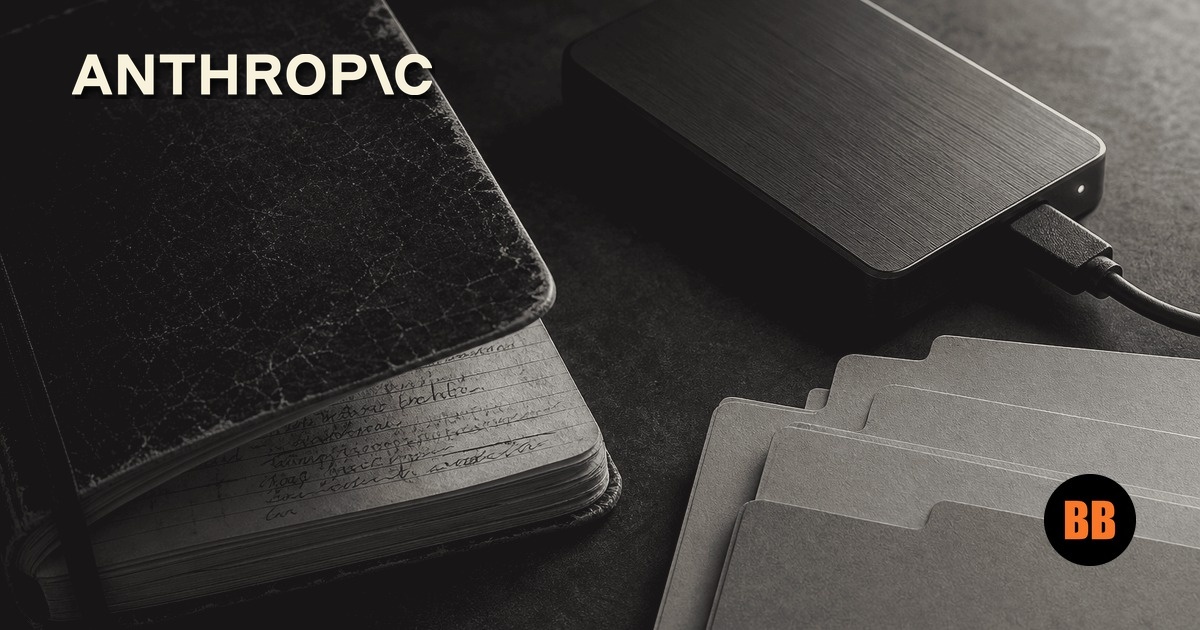
The successful path came only after Cprkrn gathered old college notebooks, a laptop, external hard drives, Apple Notes exports, email archives, and messages into Claude for analysis. Claude helped identify an old wallet backup file from December 2019 and connect it with a password derived from a notebook mnemonic. With that pairing, Cprkrn was able to decrypt the backup and regain access to the long-dormant wallet.
TradingView reported that about 5 bitcoin moved from wallet address 14VJy...ofuE6 across five transactions on May 13, after the coins had been dormant since early 2015. Coinpaper and crypto.news both framed the recovery as file analysis and troubleshooting rather than a break of Bitcoin's cryptography. That distinction is the story.
The Lost-Coin Context
Estimates for inaccessible bitcoin vary widely, but the range cited across coverage sits around 2.3 million to 4 million bitcoin. These are not coins waiting for a clever chatbot to unlock them. They are mostly coins stranded by missing keys, destroyed drives, forgotten passwords, burned coins, or old wallets whose owners no longer have the right access material.
Crypto.news also flagged the operational risk in uploading wallet material to online systems. A recovery assistant can help search files and explain tools, but any system that sees seed phrases, wallet backups, private keys, or password hints can become a risk if the user mishandles the workflow. The same data that helps an owner recover funds can help an attacker steal them.
The case also cuts through a common misunderstanding about recovery tools. Brute force can test guesses, but it cannot invent missing entropy. Claude's useful role was narrowing the search space, connecting old clues, and helping Cprkrn operate recovery software. The winning ingredient was not compute power; it was the fact that the owner had kept enough artifacts to reconstruct the access path.
That is the useful lesson for anyone holding keys: document enough context that future-you can understand the backup without exposing it today.
Why It Matters
The happy ending does not change the rule. Bitcoin is unforgiving because it is bearer money, and that is the point. Claude did not crack Bitcoin. It helped a user find evidence he had already preserved. Self-custody rewards boring discipline: backups, labels, redundancy, inheritance planning, and clean operational security. Lose the actual keys and credentials with no backup trail, and there is no customer support desk behind the network.