Key takeaways
- Coinpedia reports Iran launched Hormuz Safe on May 16 for Bitcoin-settled maritime insurance.
- Crypto Briefing says adoption, recognition and secondary sanctions remain major operational barriers.
- OFAC warned May 1 that Iranian Hormuz passage payments carry sanctions risk regardless of method.

A Claim Built For Caution
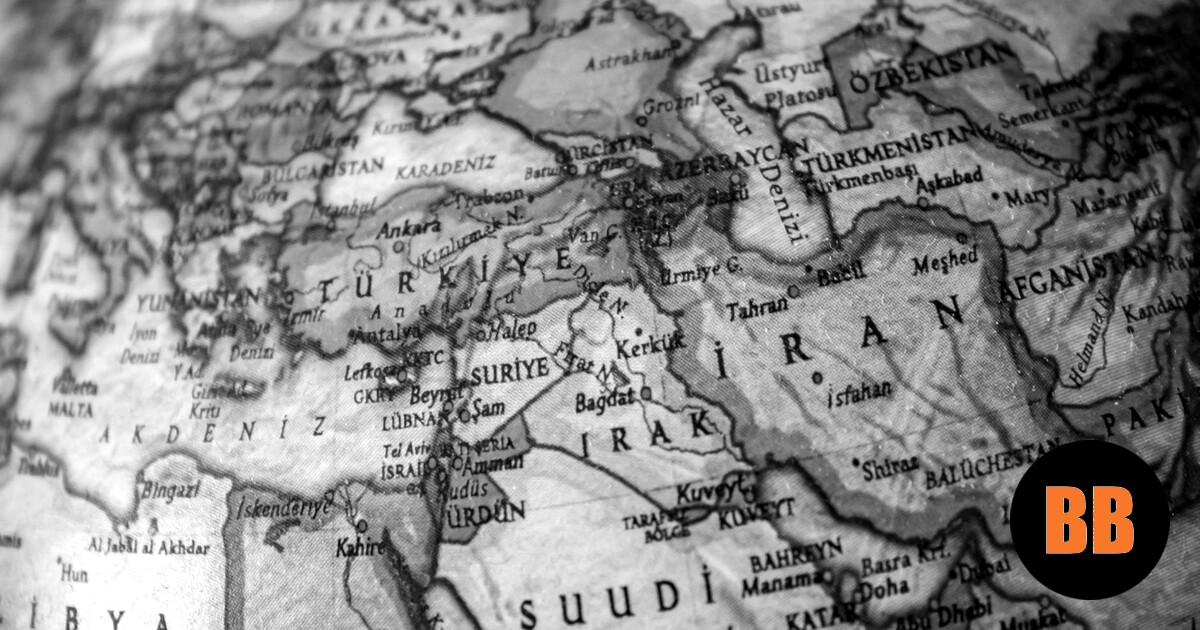
Iran has reportedly launched Hormuz Safe, a maritime insurance platform for cargo moving through the Persian Gulf and the Strait of Hormuz that can supposedly settle policies in Bitcoin and other digital assets. The reported launch date is May 16, and coverage says cargo operators would receive insurance after on-chain payment confirmation and a digitally signed receipt. Iranian media and follow-on reports also floated a possible $10 billion annual revenue opportunity if the platform captures a meaningful share of regional shipping.
there are still plenty of unanswered questions
That line from the Coinpedia report is the right frame. The announcement is real enough to cover, but not strong enough to treat as a working geopolitical payment rail. The publicly available evidence does not prove that Hormuz Safe is operational at scale, that any major shipping company has adopted it, that insurers or ports outside Iran recognize the certificates, or that meaningful Bitcoin revenue is actually flowing.
The Strait Is Already A Fraud Magnet
The history around this story is messy. In April, Ars Technica reported that scammers were impersonating Iranian authorities and soliciting Bitcoin or Tether payments from ships for supposed safe passage through the Strait of Hormuz. The Office of Foreign Assets Control (OFAC) then issued a May 1 alert warning US and non-US persons about sanctions risk tied to Iranian demands for toll payments or guarantees for safe passage. OFAC said the risk exists regardless of whether the payment is made in fiat currency, digital assets, swaps, offsets or other arrangements.
That matters because Hormuz Safe sits in the same information environment. The platform may be a state-backed attempt to formalize maritime insurance through an Iranian channel. It may be a sanctions workaround. It may become a propaganda object that lets Tehran claim it is monetizing a strategic chokepoint with Bitcoin. It may also become a magnet for copycat scams and fake certificates because the public cannot easily verify which vessels, if any, are actually paying and receiving usable coverage.
Sanctions Are The Real Customer Filter
Even if the platform exists technically, the customer base is likely narrow. A shipowner, insurer, reinsurer, port authority or bank with US exposure has to consider secondary sanctions and compliance fallout. Crypto Briefing noted that an Iranian-issued certificate may not be recognized in Rotterdam, Singapore or other major ports. That makes the realistic early users vessels already operating in sanctions-gray territory, Iranian-linked fleets or counterparties willing to accept serious legal risk.
For Bitcoiners, the temptation is to cheer every headline where a state says it will use Bitcoin to bypass dollar rails. The better instinct is verification. Bitcoin can settle value without asking SWIFT for permission, but it cannot make a bad insurance certificate good, convert propaganda into adoption, or remove sanctions exposure for counterparties that still depend on the legacy system.
Why It Matters
The Hormuz Safe story is a clean example of why Bitcoin adoption headlines need proof-of-payment discipline. If real shipping operators are paying real bitcoin for recognized coverage, that is a geopolitical milestone. If the activity is posturing, fraud or a sanctions cat-and-mouse game, then Bitcoin is being used as narrative leverage rather than settlement infrastructure. Wait for on-chain payments, identified counterparties and usable insurance recognition before calling this anything more than a volatile signal.