Key takeaways
- Square auto-enables roughly 1 million eligible US merchants for Bitcoin payments through Lightning.
- Block lets customers pay in bitcoin while merchants receive US dollar settlement by default.
- Square activations peaked near one new business every eight seconds after the March 30 rollout.

One Million Enabled Is Still A Big Number
Square has crossed roughly 1 million US merchants enabled for Bitcoin payments, according to coverage citing Block team figures. The milestone follows an automatic rollout that began March 30, when Square turned on Bitcoin payments by default for eligible US sellers. At peak pace, a new business activated the feature about every eight seconds.
The product uses the Lightning Network for fast checkout while shielding merchants from direct price volatility. Customers can pay in bitcoin, including from Lightning-enabled wallets, while sellers receive US dollars by default. The conversion happens in the background, and merchants can opt out if they do not want the feature.
Distribution Beats White Papers
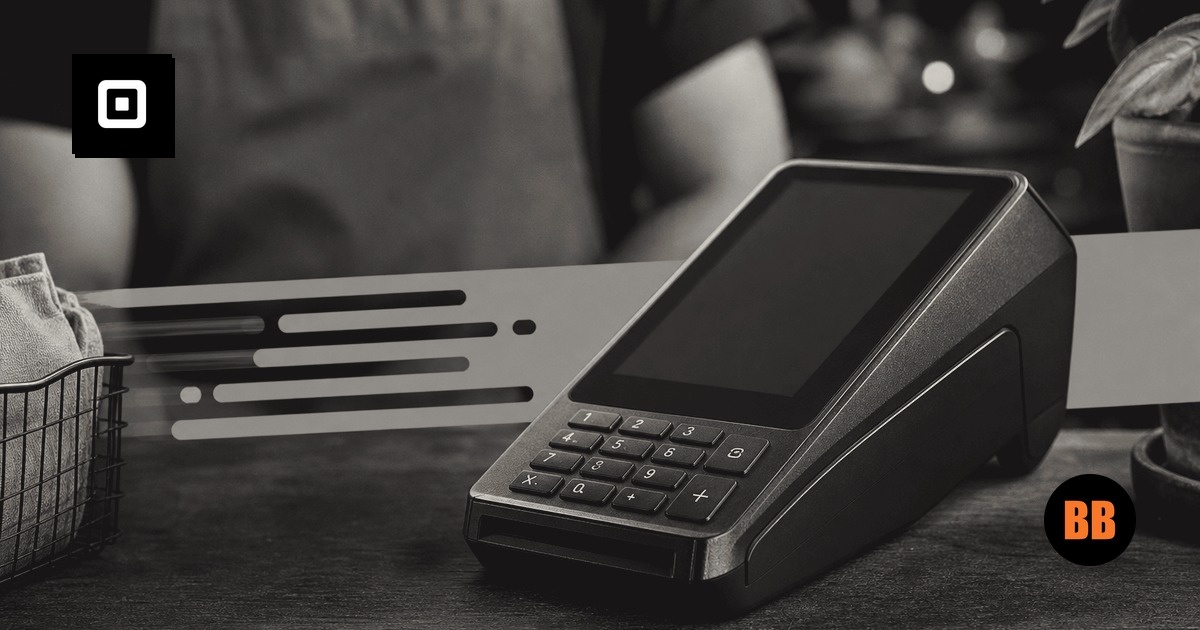
Square's advantage is not that it discovered a new argument for Bitcoin payments. It already owns the checkout surface for a large base of small businesses. That means Block can add Bitcoin to payment hardware and merchant dashboards that sellers already use, instead of asking coffee shops, salons, and food trucks to become payments infrastructure experts.
Finance Yahoo's syndicated coverage said Square frames the offer around zero processing fees through 2026, near-instant access, and no traditional chargebacks. It also said eligible sellers can separately convert up to 50 percent of eligible daily sales revenue into bitcoin through the Square Dashboard. That turns Bitcoin from a standalone app into an option inside normal business cash flow.
The Adoption Caveat
Enabled merchants are not the same thing as active Bitcoin payment demand. A feature can sit inside a dashboard, technically available, without customers using it often enough to matter. Critics are right to separate distribution from transaction volume. The milestone measures availability, not proof that shoppers are suddenly paying for lunch with sats.
Still, infrastructure has to exist before usage can compound. The point-of-sale layer is one of the places where Bitcoin payments have historically felt clunky. If Square makes the experience familiar, with dollar settlement for merchants and Lightning speed for customers, the practical barrier drops even if behavior changes slowly.
That distinction matters for how Bitcoiners read adoption headlines. A million enabled merchants is infrastructure, not a victory lap. The real signal will be repeat payment volume, seller retention, and whether the experience is easier than cards for specific use cases. Square has widened the funnel; the market still has to prove what flows through it.
The strongest version of the experiment is mundane: fewer fees for merchants, faster settlement, and less payment friction for customers who already hold bitcoin. If those incentives are visible at the counter, usage has room to grow.
The opt-out design also matters because it makes availability the default state, not a merchant research project.
Why It Matters
Bitcoin as savings is already winning mindshare. Bitcoin as everyday money still needs better rails, clearer tax treatment, and a checkout experience that does not make normal people feel like they are debugging a wallet. Square's milestone does not prove payment demand, but it puts the option where commerce already happens. That is how monetary networks move from ideology to muscle memory.