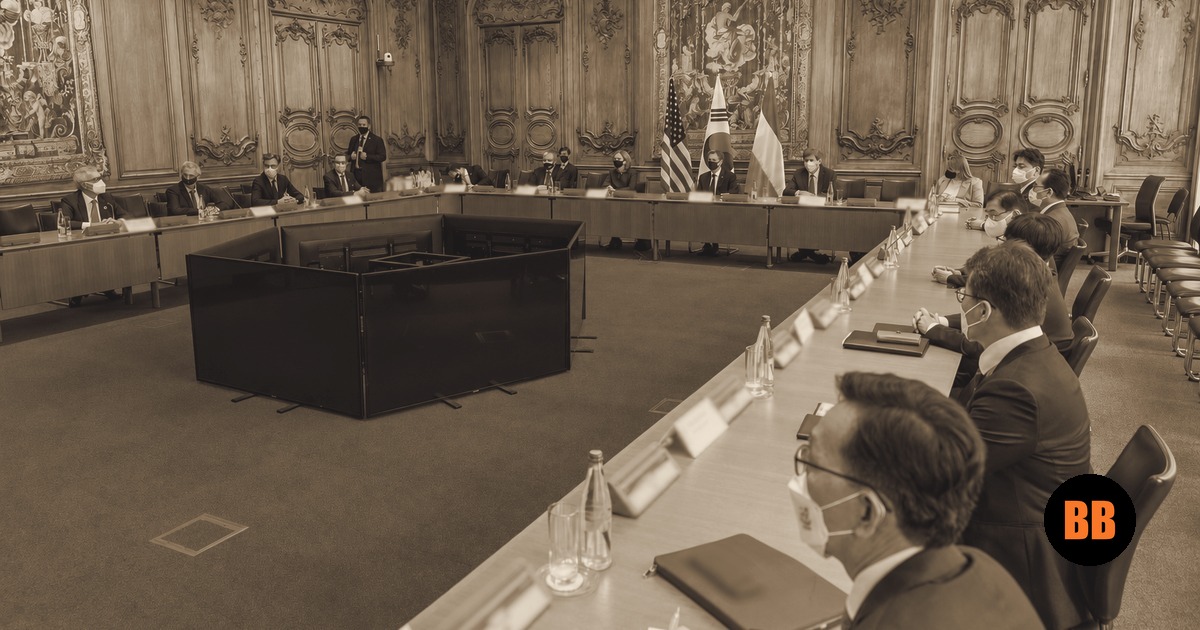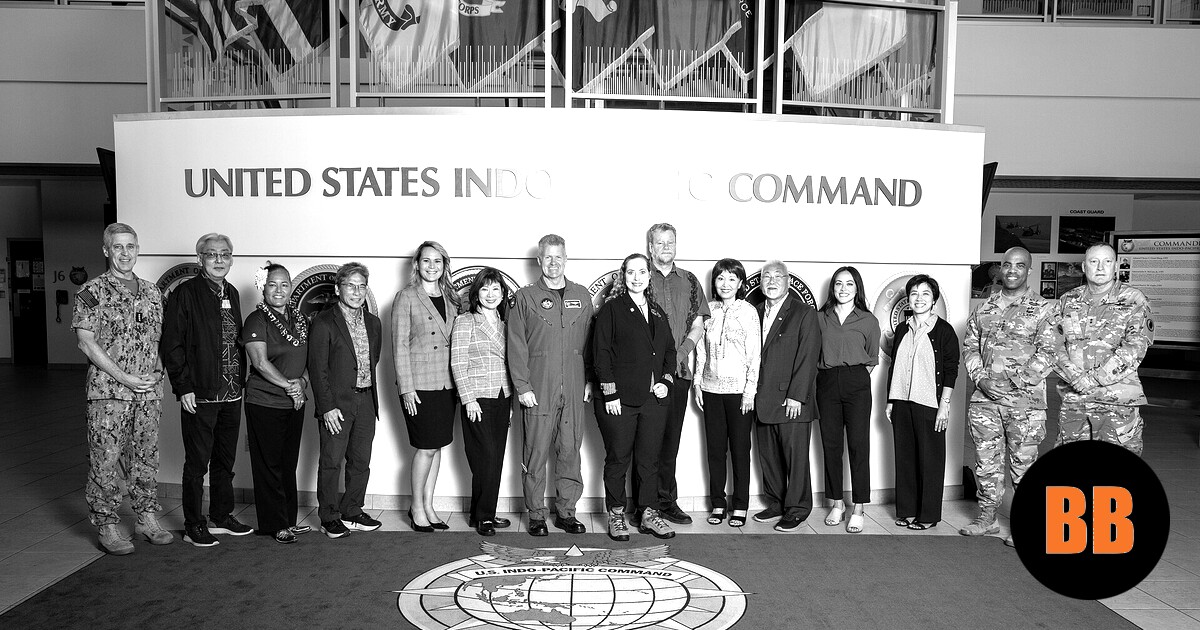
During a fiscal year 2027 defense authorization hearing before the Senate Armed Services Committee on April 21, 2026, Admiral Samuel Paparo, commander of US Indo-Pacific Command (INDOPACOM), delivered an endorsement of Bitcoin that is rare for an active four-star officer. Senator Tommy Tuberville (R-AL) had pressed Paparo on whether US leadership in Bitcoin gives the country an edge against China in the Indo-Pacific theater.
"Bitcoin is a reality," Paparo told the committee. "It's a peer-to-peer, zero-trust transfer of value. Anything that supports all instruments of national power for the United States of America is to the good."
'Bitcoin shows incredible potential as a computer science tool. It's a valuable computer science tool as a power projection.'
Paparo noted that INDOPACOM's research into Bitcoin focuses on its underlying architecture, specifically the fusion of cryptography and proof-of-work (PoW) protocols, and that those protocols impose more cost than simply securing networks, extending to offensive and defensive cyber operations. He specified that this framing is distinct from treating Bitcoin as a financial instrument or speculative asset. He did not offer specific legislative recommendations in open session, preferring to go on record in writing and discuss further in a classified setting.
The Great-Power Framing
The hearing's strategic context mattered as much as Paparo's words. Tuberville noted that China's International Monetary Institute (IMI) circulated a report titled "The Case for Bitcoin as a Reserve Asset," indicating that Beijing views Bitcoin as a shifting strategic consideration rather than purely speculative. The framing placed Bitcoin squarely inside the competition for global monetary influence, not just financial markets.
Paparo's remarks echo arguments Space Force Major Jason Lowery made in December 2023, when he said Bitcoin's proof-of-work mechanism could deter cyberattacks by imposing physical, energy-based costs on adversaries. Lowery was subsequently named Special Assistant to the INDOPACOM Commander on April 20, 2026. President Trump signed an executive order establishing the Strategic Bitcoin Reserve on March 6, 2025, seeding it with bitcoin seized through criminal and civil asset forfeiture. The White House has directed that government bitcoin holdings not be sold, treating them as long-term reserve assets. Senators Bill Cassidy and Cynthia Lummis introduced the Mined in America Act last month, which would bring more Bitcoin mining manufacturing back to the US and codify Trump's executive order.
Bitcoin Beyond Finance
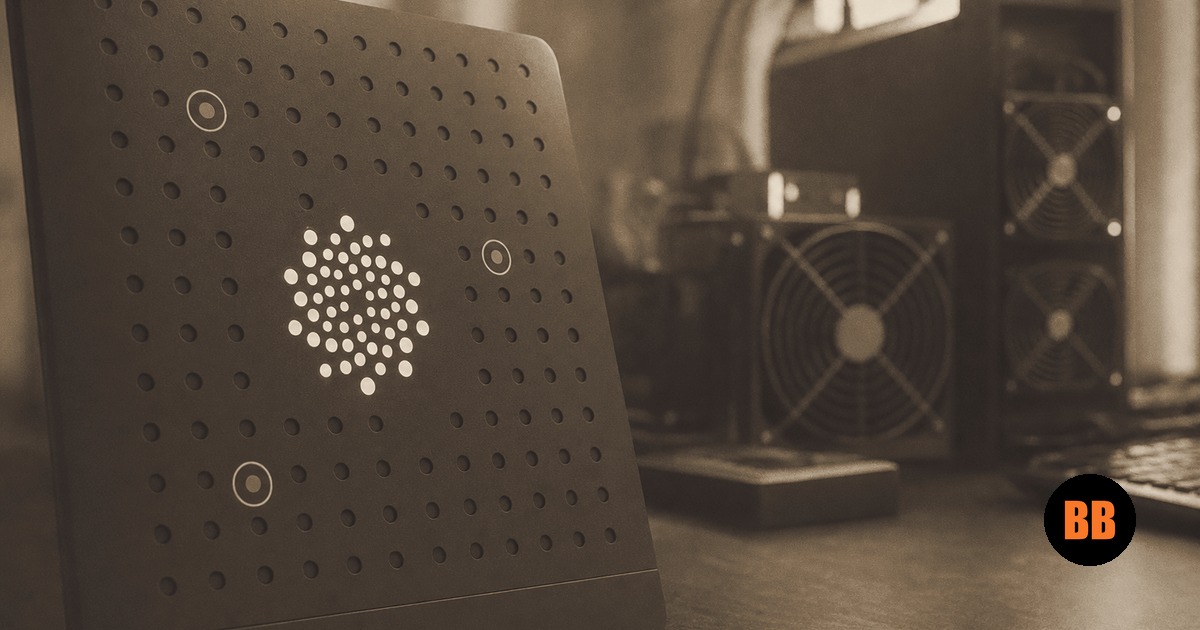
Paparo did not describe Bitcoin as a financial investment during the hearing. He described it as a computer science system with direct cybersecurity applications. North Korea's Lazarus Group has stolen billions in Bitcoin and crypto over the past decade to fund its nuclear program, making state-level Bitcoin security a live operational concern, not a theoretical one. The US holds the largest Bitcoin reserves among nation-states and commands the largest share of global Bitcoin hashrate. However, it remains dependent on foreign-manufactured mining equipment, a supply chain vulnerability that the Mined in America Act is designed to address.
Why It Matters
When the four-star commander responsible for deterring China across the Pacific publicly endorses Bitcoin's security model in front of the Senate, the Overton window has moved in a permanent direction. Paparo chose to frame proof-of-work not as a curiosity but as a power projection tool. That framing will shape how the Pentagon allocates attention, budget, and personnel to the Bitcoin stack going forward. This cycle was centered on corporate and institutional adoption. The nation-state adoption cycle, longer and harder to reverse, is now clearly underway. The biggest test for Bitcoin as a truly neutral network is still ahead.