Key takeaways
- Federal prosecutors request October 2026 retrial for Roman Storm on money-laundering and sanctions-violation charges
- Storm was convicted in August 2025 on one count of operating an unlicensed money-transmitting business, faces up to 40 years total
- U.S. Treasury acknowledges in a recent report that mixing services can serve lawful privacy purposes

The Government Wants Round Two
Federal prosecutors led by U.S. Attorney Jay Clayton, the former SEC chair, requested an October retrial for Tornado Cash developer Roman Storm on two unresolved counts: money laundering and sanctions violations. A jury convicted Storm in August 2025 on one count of operating an unlicensed money-transmitting business but deadlocked on the remaining charges.
Clayton's office filed a letter asking the judge to set the October date "to avoid further unnecessary delays," pressing forward despite a pending motion from Storm's defense team seeking acquittal on the deadlocked counts. Oral arguments on that motion are scheduled for April 9.
'A jury of 12 Americans heard four weeks of evidence and deadlocked: no verdict on money laundering, and no verdict on sanctions violations. The government's response? Try again to make writing code a crime.' - Roman Storm
The Split Verdict Problem
Storm's legal team argues the retrial is premature and that the jury's split decision demonstrates fundamental doubt about the prosecution's core theory, that writing and deploying a smart contract constitutes money laundering. Storm co-founded Tornado Cash, a mixer designed to obscure transaction origins, and remains free on bail.
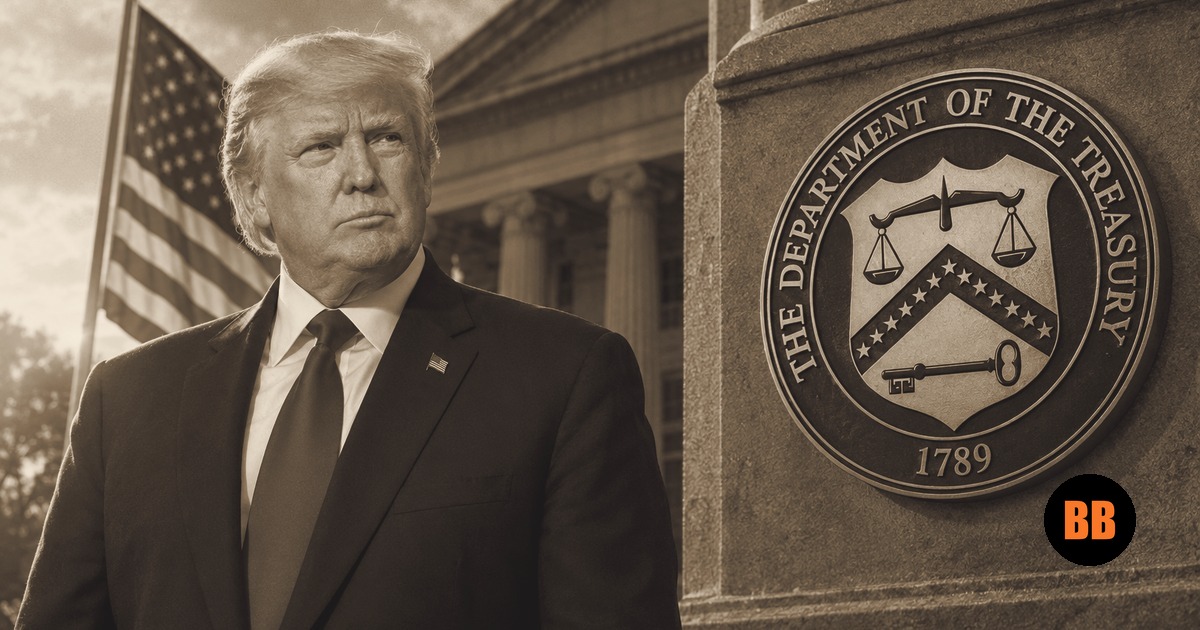
A recent U.S. Treasury report acknowledged that mixing services can serve lawful privacy purposes, complicating the government's framing. The report represents a notable shift from the Treasury's earlier position when OFAC sanctioned Tornado Cash's smart contract addresses in August 2022, a decision that triggered widespread backlash from privacy advocates and developers across the Bitcoin and crypto industry.
The Chilling Effect on Developers
The prosecution's persistence sends a clear signal to every open-source developer working on privacy tools. If the government can retry a developer until it secures a conviction, the legal risk of building censorship-resistant software becomes prohibitively high. Storm's case is not isolated: Samourai Wallet developers face similar charges, and several privacy-focused projects have already relocated outside U.S. jurisdiction or gone anonymous to avoid prosecution.
The developer in question comes from the non-Bitcoin ecosystem, but the principle at stake transcends those boundaries entirely. If writing code that enables private transactions is a crime, every contributor to Bitcoin's privacy stack, from CoinJoin implementations to Lightning routing, should be paying attention.
Why It Matters
While institutions and governments race to buy bitcoin and announce strategic reserves, the developers who built the tools underpinning the entire ecosystem face prosecution for writing code. Code is speech. Privacy is a right, not a loophole. If governments can retry developers until they get the verdict they want, every open-source contributor working on privacy, self-custody, or censorship resistance is at risk. Public pressure is the only counterweight, and turf wars between ecosystems need to be set aside with the bigger picture of freedom in mind.