Key takeaways
- Ko Ju-Chun delivered Bitcoin Policy Institute research to Premier Cho Jung-tai and Governor Yang Chin-long.
- Bitcoin Policy Institute says more than 80% of Taiwan's $602 billion reserves are dollar-denominated.
- Taiwan's central bank committed 210 seized bitcoin to a digital asset sandbox.

A Reserve Fight Reaches The Premier
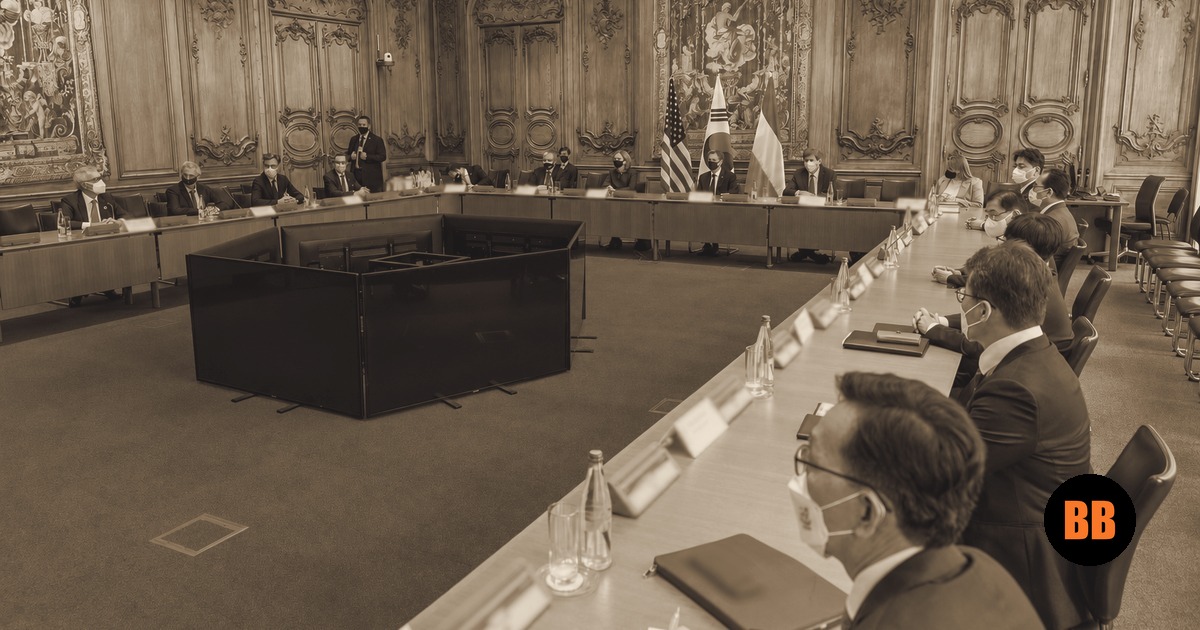
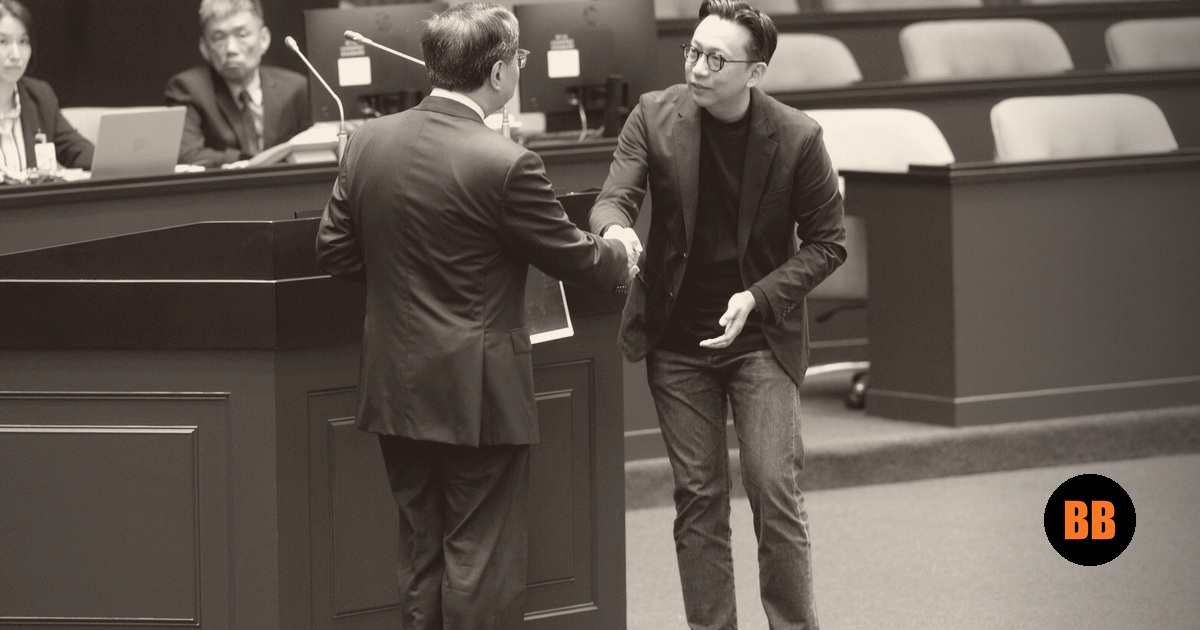
Taiwanese legislator Ko Ju-Chun delivered Bitcoin Policy Institute research on a national Bitcoin reserve directly to Premier Cho Jung-tai and Central Bank of China (CBC) Governor Yang Chin-long during a formal Legislative Yuan interpellation on April 29. The move pushed the reserve debate from research paper into the room with Taiwan's head of government and central bank leadership.
Ko urged Taiwan's executive branch to study allocating part of the country's $602 billion in foreign exchange reserves to Bitcoin as a strategic national asset. He also asked the CBC to produce a new report within one month on stablecoins and broader digital asset reserves.
'Dr. Ko's decision to present this report directly to the premier and central bank governor demonstrates the seriousness with which Taiwan's lawmakers are evaluating Bitcoin as a strategic asset.'
The Report Frames Bitcoin As Insurance
The Bitcoin Policy Institute paper, authored by Jacob Langenkamp, argues that Taiwan's reserve composition leaves it exposed. The report says Taiwan's exports produced a record $157 billion trade surplus in 2025, yet more than 80% of the CBC's $602 billion reserves sit in U.S. dollar-denominated assets.
The paper's geopolitical claim is direct: in a blockade or invasion scenario, gold can be stranded or seized, dollar reserves can face restrictions, and traditional settlement rails can become political weapons. Bitcoin, by contrast, can remain accessible without physical transport and without relying on a single sovereign issuer.
The report also notes that Taiwan's central bank studied bitcoin as a reserve asset in late 2025 after Ko suggested shifting roughly 5% of reserves, about $30 billion, into bitcoin. The CBC rejected bitcoin for reserves in December, citing volatility, liquidity, custody and compliance concerns, but committed to a digital asset sandbox using 210 seized bitcoin.
Fiat Comfort Meets Wartime Reality
The policy argument is no longer just about price volatility. It is about what reserves are supposed to do when a state is under pressure. If the reserve asset cannot move, cannot settle, or can be frozen by another government, it may fail at the exact moment it is needed.
The paper points to Ukraine and Russia as live examples of wartime money rails becoming strategic infrastructure. TFTC's summary of the report highlighted the same point: Bitcoin can be self-custodied, transmitted across borders without bank permission, and used when traditional rails become chokepoints.
Taiwan's case is unusually sharp because the island's economic leverage and physical vulnerability sit side by side. Taiwan Semiconductor Manufacturing Company (TSMC) gives the country enormous global importance, but that does not help if reserves are trapped in foreign systems during a blockade.
Why It Matters
Bureaucrats can ignore Bitcoin in peacetime and call that prudence. Wartime is less forgiving. Fiat reserves are increasingly exposed to sanctions, custody politics and payment chokepoints. Bitcoin cannot solve every wartime problem, but it is neutral, portable and seizure-resistant in ways gold and dollar claims cannot match. For governments facing hostile powers, that difference stops being ideological and starts being operational. Taiwan is simply the sharpest test case.