Key takeaways
- Rep. Ralph Norman led 29 House members in a letter urging Speaker Johnson and Senate Majority Leader Thune to permanently ban a US CBDC.
- The Anti-CBDC Surveillance State Act passed the House in July 2025 but remains stalled awaiting Senate approval.
- Several countries launched CBDCs and later discontinued them due to low adoption or technical failure, with the US now attempting a permanent prohibition.

The Letter
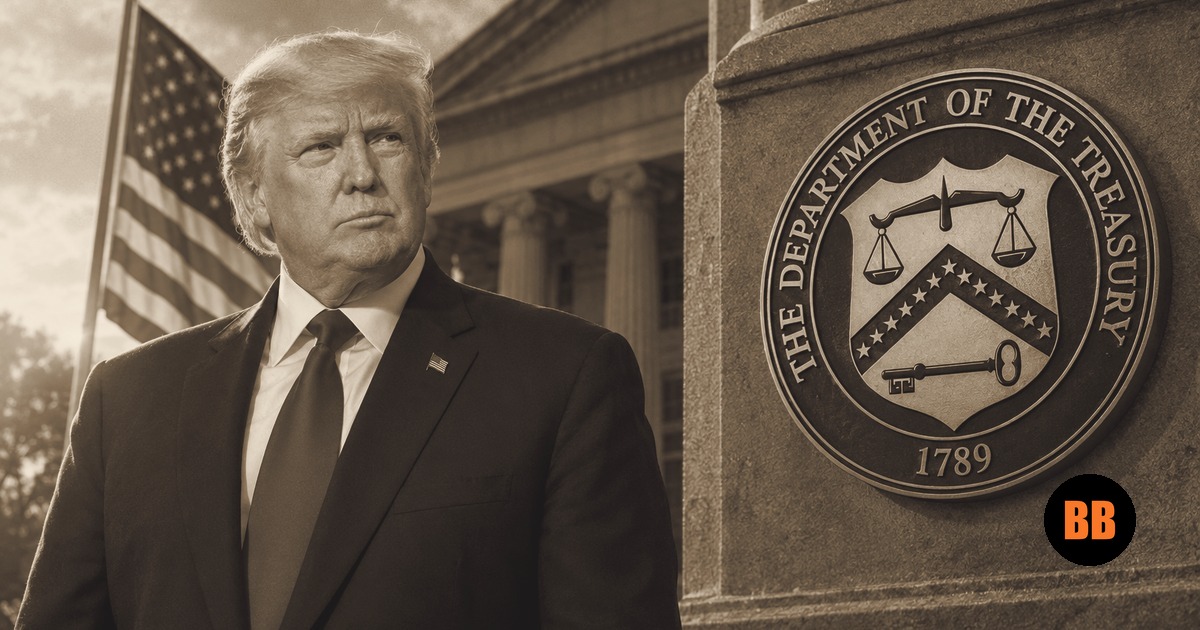
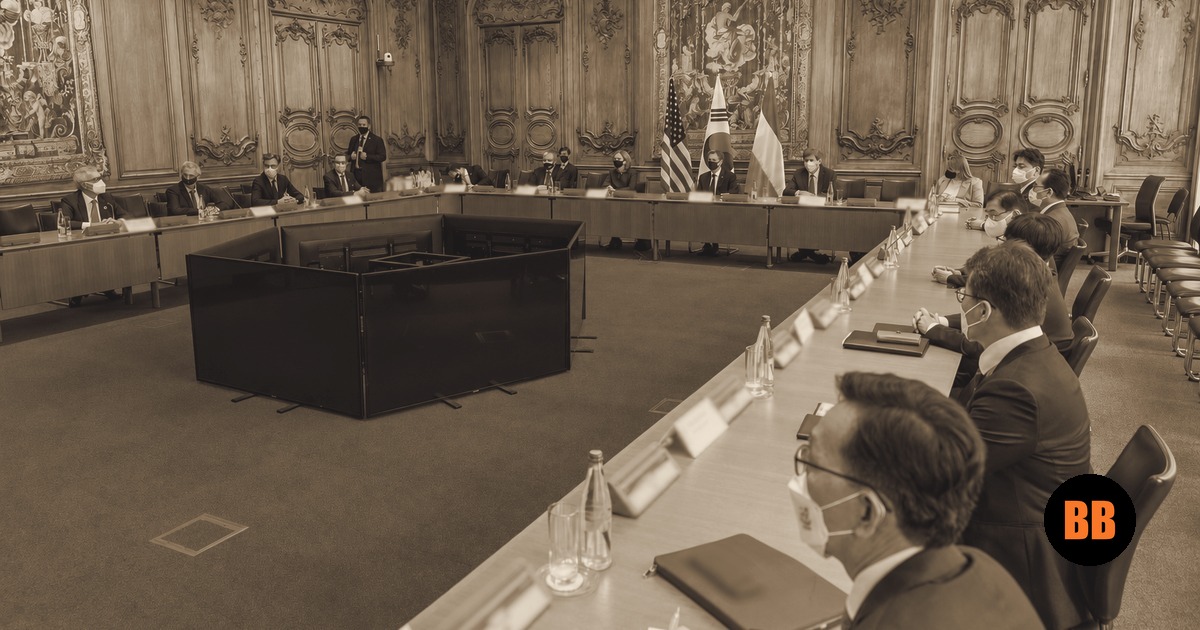
Twenty-nine House members, led by Rep. Ralph Norman, sent a letter to Speaker Mike Johnson and Senate Majority Leader John Thune calling for a permanent ban on a US Central Bank Digital Currency. The letter targets a specific problem: the housing bill currently moving through Congress restricts CBDCs, but only until December 31, 2030. The lawmakers want that sunset clause replaced with permanent prohibition language from the Anti-CBDC Surveillance State Act (H.R. 1919), which the House passed in July 2025 and which has since stalled in the Senate.
Their argument is direct. A CBDC would allow the Federal Reserve to issue a digital dollar that the government could track transaction by transaction. Unlike physical cash, it could be programmed with restrictions -- freezing accounts, excluding certain merchants, expiring unused funds. Rep. Norman described it plainly:
'A CBDC is inherently un-American and a looming issue that we must put to rest.'
The International Context
China actively deploys the digital yuan. The European Central Bank continues advancing the digital euro. Several other countries launched CBDCs and later discontinued them due to low adoption or technical failure -- the Bahamian Sand Dollar and Nigeria's eNaira struggled to gain traction and were largely abandoned. The US looks like the only major economy actively attempting to ban the concept before issuance begins.
The US track record on ending central banking experiments is longer than most people realize. The country abolished its first central bank in 1811 and its second in 1836 -- the only nation to have done so twice. A permanent CBDC ban would extend that pattern.
Why It Matters
A CBDC is the fiat system's attempt to adopt the properties that make Bitcoin compelling -- programmable, fast, digital -- while preserving the one feature it cannot give up: central control. That control is precisely what makes it dangerous. Bitcoin's value is not just appreciation; it is that no institution can freeze your balance, restrict your transactions, or decide your money has expired. A permanent CBDC ban in the US validates the threat model that Bitcoin was designed to address. Twenty-nine lawmakers are, perhaps without intending to, making the Bitcoin case.