Key takeaways
- Elon Musk tells an Oakland jury most coins are scams while some have merit.
- Fortune links the comment to OpenAI's 2018 initial coin offering funding discussions.
- Tesla still holds 11,509 bitcoin after selling 75% of its stash in 2022.

Trial Puts Tokens On The Stand
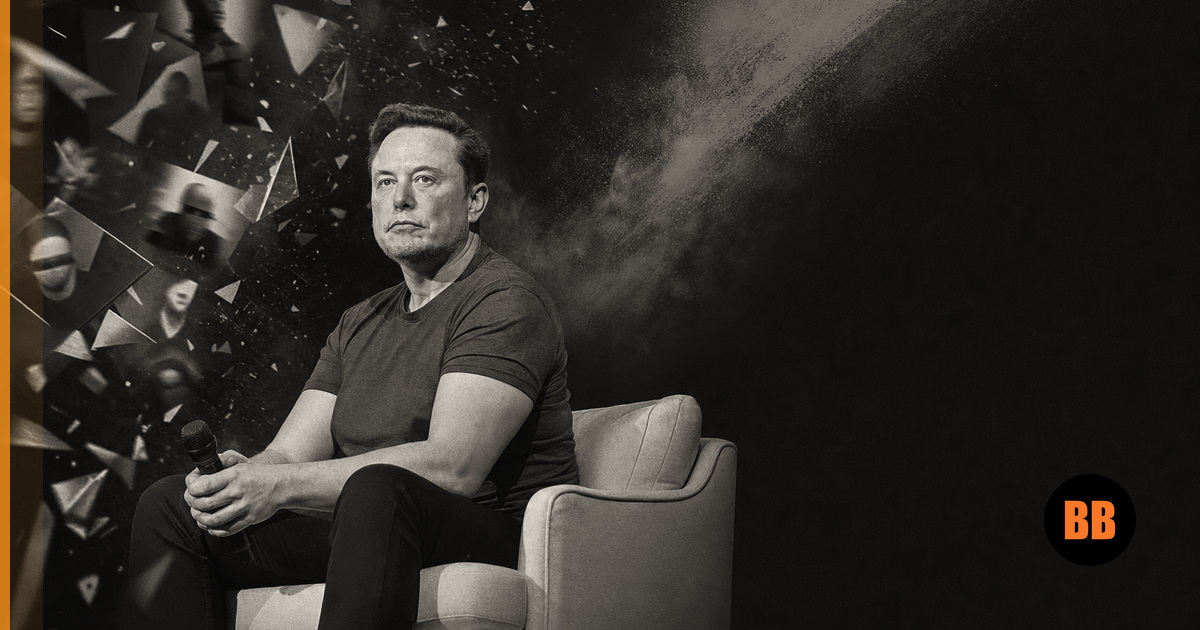
Elon Musk gave a plain-language verdict on tokens in an OpenAI courtroom this week. Fortune reported that Musk was asked to explain cryptocurrency to a jury in Oakland and answered that some coins have merit, while most are scams.
The context matters. The question came from early OpenAI emails and discussion around a possible initial coin offering (ICO) in 2018, when the company was exploring ways to fund itself. ICOs were the late-2010s machine for selling tokens to the public before many projects had users, revenue, or a reason to exist beyond speculation.
"Some of them have merit, but most of them are scams."
The Dogecoin Hangover
Musk's answer lands oddly because he spent years helping the market blur that same line. Tesla bought $1.5 billion of Bitcoin in 2021, which gave the corporate treasury trade a loud endorsement. Around the same period, Musk's Dogecoin posts helped turn a joke coin into a retail mania, convincing plenty of people that a meme and a monetary network belonged in the same bucket.
Fortune noted that Tesla later sold 75% of its Bitcoin holdings in 2022. The company still held 11,509 bitcoin in the first quarter of 2026, valued at $786 million after a $222 million markdown, with a reported acquisition cost of $386 million. The remaining position is still worth more than Tesla's reported acquisition cost, even after the Q1 markdown.
OpenAI's Funding Problem Was Real
The funding backdrop was also real. OpenAI's own account of its early history says the team recognized by 2017 that artificial general intelligence would require far more capital than a nonprofit could easily raise. Musk and OpenAI later split over control, structure, and whether the mission could survive a for-profit path.
That does not rescue the ICO idea. If anything, it makes the episode more revealing. When an institution needs billions, token issuance can look like easy capital. Bitcoiners recognize the trap: selling a coin is easier than building a durable business, and much easier than building a neutral monetary network.
The line Musk drew in court also matters because testimony strips industry jargon down to simpler language. A jury did not need a tokenomics deck, a Discord channel, or a venture-capital taxonomy. It heard a plain distinction between projects with possible merit and a market where scams dominate. That plain-English version is closer to how normal people process the industry than how insiders prefer to describe it.
Why It Matters
Musk is almost at the clean distinction Bitcoiners have been making for years. Bitcoin is scarce, leaderless money with a security budget and a 17-year public track record. The token complex is mostly branding, insiders, liquidity games, and the hope that someone later mistakes a fundraising object for an asset.
The irony is that Musk helped muddy the water with Dogecoin memes before telling a jury the quiet part. Better late than never. The lesson for Bitcoiners is simple: celebrity attention should never define the category. Bitcoin stands apart because it does not need a mascot, a foundation, or an initial coin offering pitch deck.