Key takeaways
- Patrick Witt says a Strategic Bitcoin Reserve update is expected within the next few weeks.
- BeInCrypto says the United States holds roughly 328,372 BTC worth about $25 billion today.
- The executive update likely concerns custody mechanics, not yesterday's congressional accumulation bill push from Nick Begich.

The Executive Branch Takes The Mic
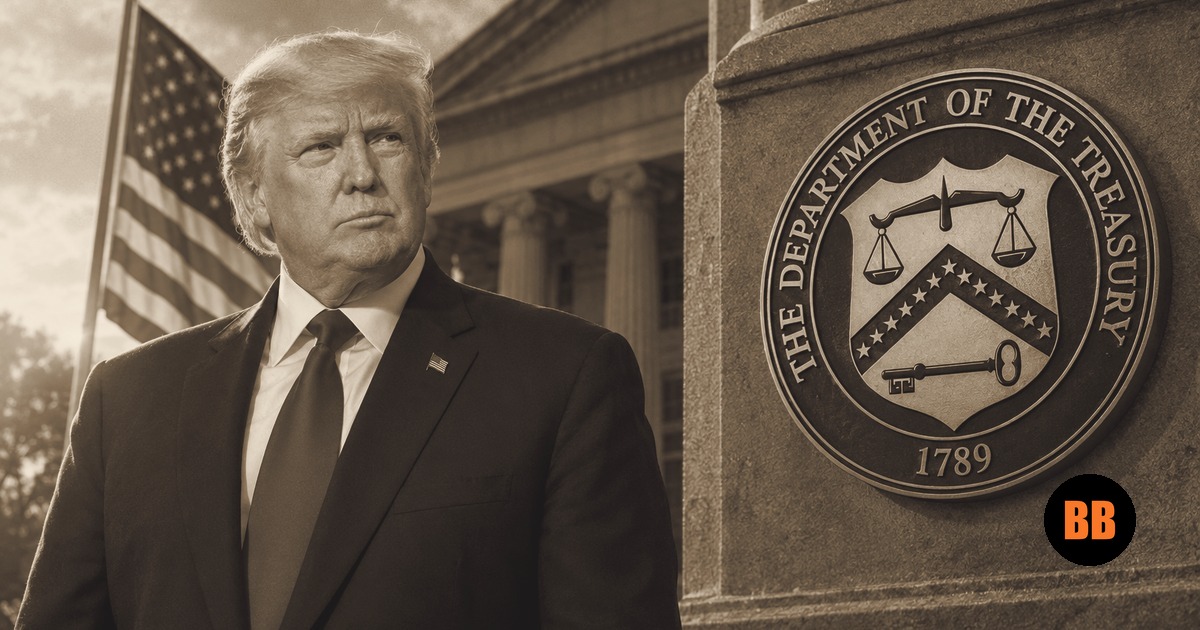
White House digital assets adviser Patrick Witt is teasing a Strategic Bitcoin Reserve update within the next few weeks, shifting attention from Congress back to the executive branch. Witt spoke at Bitcoin 2026 in Las Vegas and framed the coming announcement as a major step in the administration's reserve plan rather than another campaign-style slogan.
The distinction matters. Yesterday's reserve story centered on Representative Nick Begich's legislative revival of a Bitcoin reserve bill under the American Reserves Modernization Act (ARMA) name, with the possibility of future government accumulation. This update appears more likely to concern the executive machinery around coins the United States already controls.
'The goal is to protect the digital assets.'
TheStreet reported that Witt described work on the legal and operational details needed to protect Bitcoin currently sitting on the federal balance sheet. BeInCrypto reported that the United States holds roughly 328,372 BTC, worth about $25 billion, mostly from seizures and forfeitures. That is not a sovereign stacking program. It is a state trying to decide how to custody, account for, and politically frame assets it already seized.
Seized Coins Are Not A Stack
President Donald Trump's March 2025 executive order created the Strategic Bitcoin Reserve and directed federal agencies to consolidate forfeited bitcoin instead of selling it. BeInCrypto said the policy also barred future Treasury sales, but Witt acknowledged that an executive order does not carry the permanence of statute. A future administration can reinterpret, amend, or unwind it unless Congress locks the reserve into law.
That is why this executive-side announcement should not be confused with a new buying plan. It may involve custody providers, agency accounting, legal interpretations, internal cataloguing, or public reporting around the government's holdings. Those details are operationally important, but they are not the same thing as the state entering the market to acquire one million bitcoin.
Still, operations can become policy. Once agencies identify coins, custody them under one structure, and treat them as reserve assets, a future sale becomes politically harder. The state can accidentally discover Bitcoin's reserve logic before it has the courage to admit what that means.
The Washington Optics Machine
Washington's Bitcoin posture is now split across two tracks. Congress is debating whether a reserve should become law and whether the government should accumulate more. The White House is working through what it can do with existing holdings before Congress finishes arguing.
That split creates the usual political fog. Supporters will sell every announcement as a historic reserve breakthrough. Skeptics will point out that seized coins with a new label are not a treasury strategy. Both can be true. A real reserve needs transparent custody, a no-sale mandate, clear accounting, and eventual statutory protection. A press-friendly naming exercise needs much less.
Why It Matters
The Bitcoin-native read is simple: watch the coins, not the podium. If the government moves from auctioning seized bitcoin to holding it under a durable framework, that is a meaningful shift in revealed preference. But Bitcoiners should not mistake state custody for sovereignty. A government reserve may validate Bitcoin as pristine collateral, yet the individual still wins only by holding keys outside the state's balance sheet theater.