Key takeaways
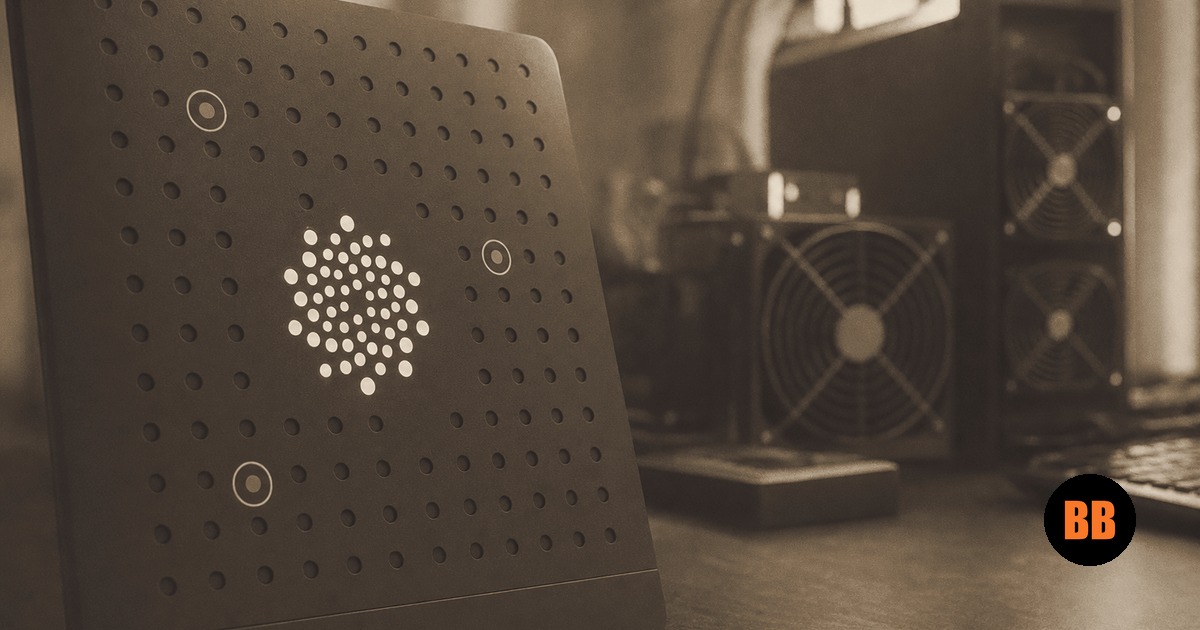
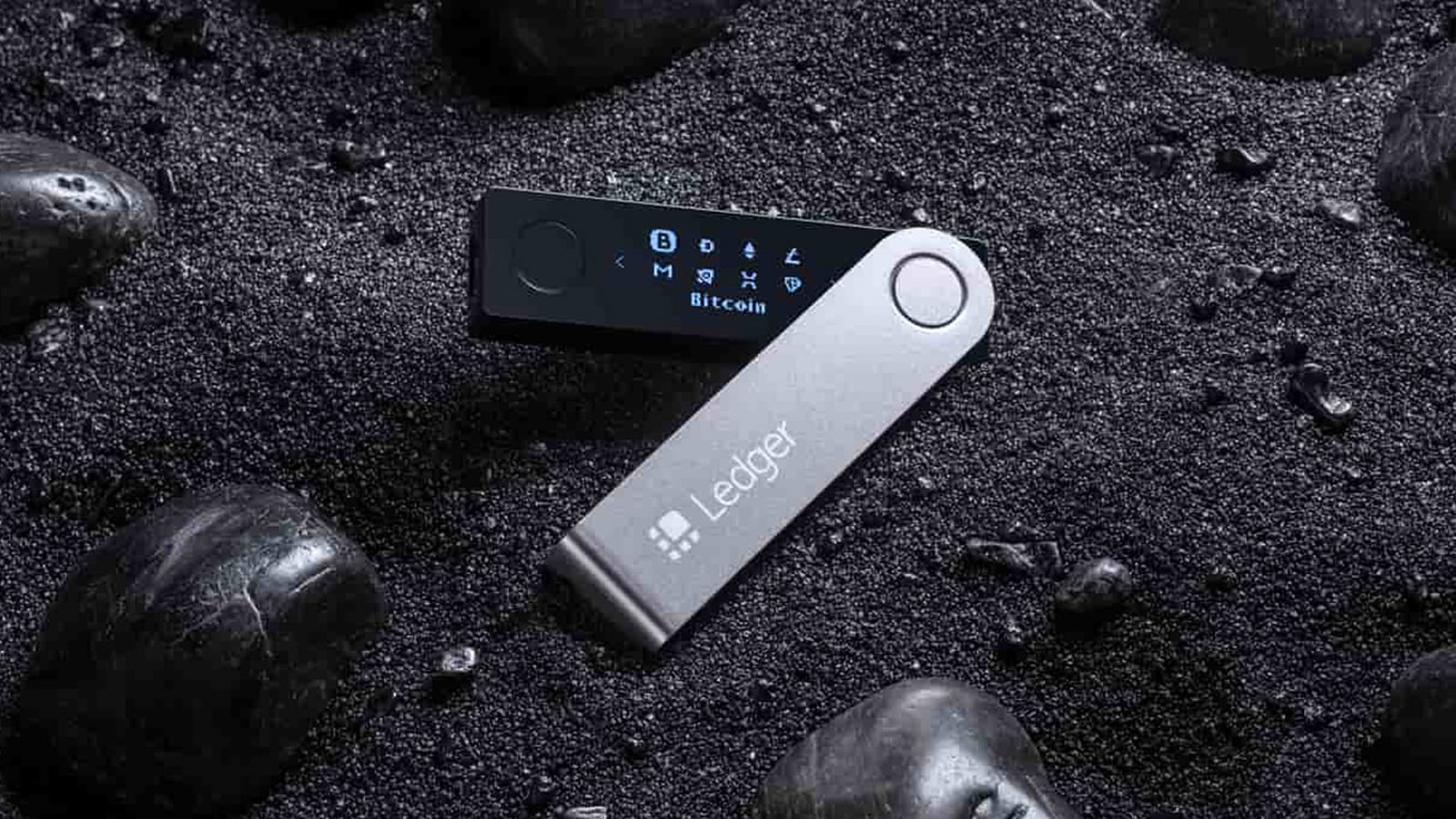
- Blockstream Jade becomes the first hardware wallet to support Lightning Network payments via app version 5.2.0
- Atomic swaps automatically convert incoming Lightning payments into Liquid Bitcoin deposited to the Jade-secured wallet offline
- Bull Bitcoin and Aqua wallets use the same Liquid-Lightning atomic swap model for trust-minimized bitcoin payments

Cold Storage Meets Instant Payments
Blockstream released version 5.2.0 of its app, making Jade the first hardware wallet to interact with the Lightning Network. The system uses a three-layer architecture: Lightning for instant payments, the Liquid sidechain as an intermediate settlement layer, and the Bitcoin mainchain for final settlement.
When receiving a Lightning payment, the app generates an invoice and triggers an atomic swap that converts the incoming sats into Liquid Bitcoin (LBTC), depositing them into the Jade-secured wallet. The hardware device remains offline throughout. Outgoing payments reverse the process: the app converts LBTC into Lightning liquidity, and Jade signs the transaction before funds leave the wallet.
'This is a breakthrough for self-custody.' - Jeff Boortz, Blockstream CPO
The Trust-Minimized Model
The mechanism powering this feature, atomic swaps between Lightning and Liquid, has been quietly reshaping how services approach Bitcoin payment scaling. Wallets like Bull Bitcoin and Aqua use the same model, swapping funds in and out of Liquid to enable fast payments without requiring users to run their own Lightning nodes or manage channel liquidity.
The tradeoff is real: funds are stored on the Liquid network, a federated sidechain, rather than on the Bitcoin base layer. This is not fully self-custodial or trustless in the way a standard on-chain UTXO is. But it is not fully custodial either. Users retain key control through the hardware wallet while accepting Liquid's federation trust model.
How Atomic Swaps Work in This Context
Atomic swaps ensure that the exchange between Lightning and Liquid happens simultaneously or not at all. Neither party can cheat. When a Lightning payment arrives, a hash time-locked contract (HTLC) on the Lightning side is matched with a corresponding transaction on the Liquid side. If both sides complete, the swap settles. If either side fails, both are reversed. This is the same cryptographic primitive that enables cross-chain trades without intermediaries, applied here to bridge two layers of the Bitcoin stack rather than two separate blockchains.
This approach eliminates the need for users to manage Lightning channels, inbound liquidity, or watchtowers. The complexity is abstracted behind the wallet interface while the security guarantees of atomic execution remain intact.
Why It Matters
Hardware wallets have historically forced users to choose between security and usability. Jade's Lightning integration bridges cold storage and instant payments through atomic swaps, collapsing that tradeoff. The broader signal is that the Liquid-Lightning swap pattern is becoming a standard building block in the Bitcoin stack, not a niche experiment. But every wallet carries tradeoffs, even self-custodial ones. Understand what trust assumptions you are making before moving funds. The best security practice is informed self-custody, not blind faith in any single tool.