Key takeaways
- Three men posing as police officers steal approximately €900,000 in bitcoin from a couple near Versailles at knifepoint
- France's Brigade for the Repression of Banditry investigates the Le Chesnay attack alongside the Versailles prosecutor's office
- Jameson Lopp documents roughly 70 physical attacks on Bitcoin and crypto holders worldwide in 2025, the highest annual total in a decade

The Versailles Raid
Three armed men forced a French couple in their late 50s to transfer approximately €900,000 ($1 million) in bitcoin during a home invasion in Le Chesnay, a suburb near Versailles, on Monday morning. The attackers gained entry by posing as police officers, then drew a knife and threatened to stab the woman unless her partner transferred bitcoin to a wallet they controlled.
After the transfer completed, the suspects tied up the male victim and fled in a white van. The Versailles Prosecutor's Office opened an investigation on charges of kidnapping, armed robbery by an organized gang, and criminal conspiracy. No arrests have been announced.
A Pattern Across France
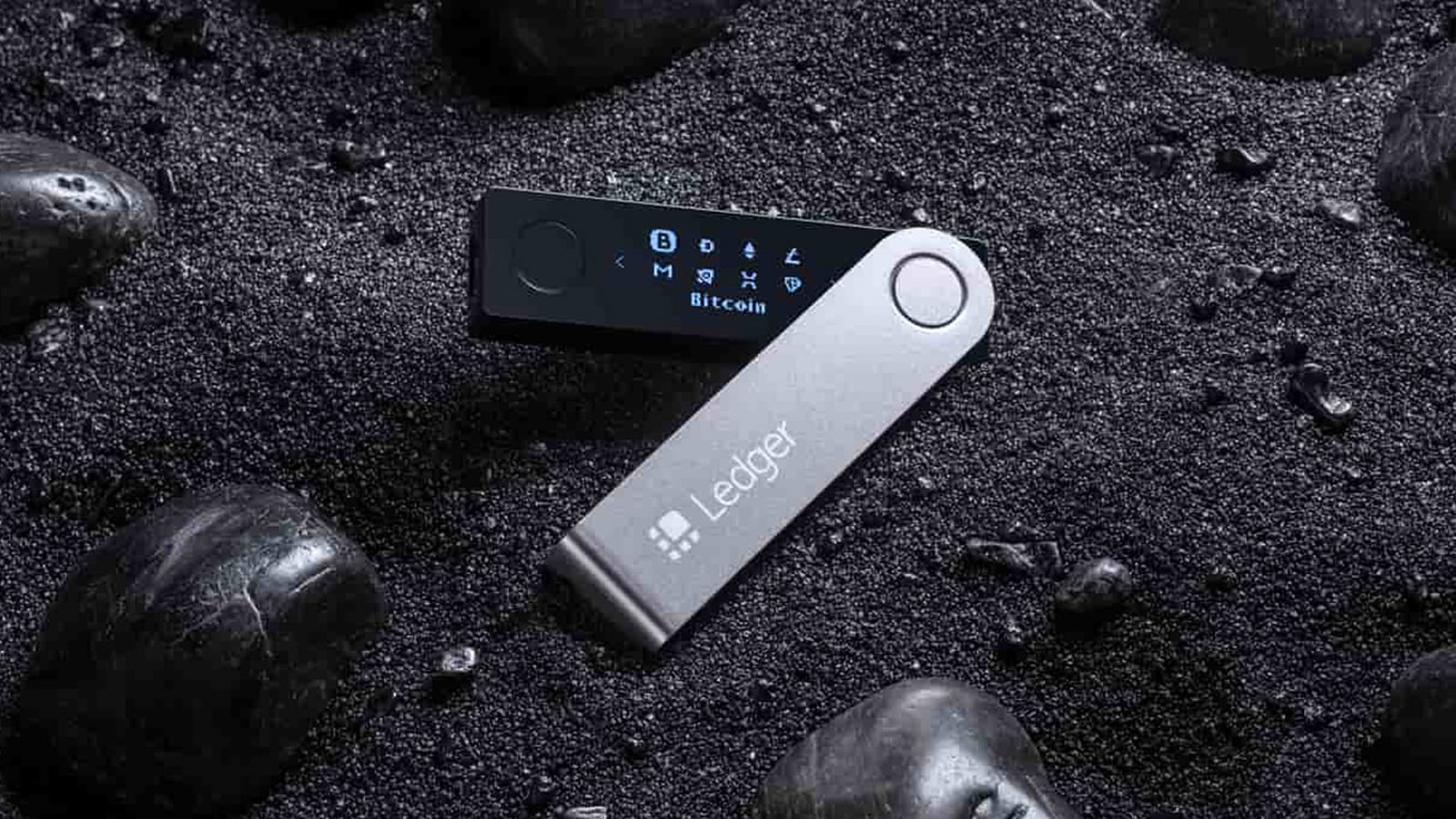
The attack fits a growing pattern of wrench attacks targeting known Bitcoin and crypto holders in France. Security researcher Jameson Lopp documented approximately 70 physical attacks on holders worldwide in 2025, the highest annual total in a decade of monitoring. France has been disproportionately represented, with prior incidents involving Binance France leadership and Ledger co-founder David Balland.
France's Brigade for the Repression of Banditry arrested 12 suspects linked to similar kidnappings in May 2025.
The Operational Security Gap
These attacks share a common thread: the victims were identified as holders before the criminals arrived. In several French cases, attackers had prior knowledge of their targets' holdings, suggesting information leakage through social media, public forums, or even exchange data breaches. The Le Chesnay couple's age bracket, late 50s, aligns with a demographic trend in French wrench attacks where older holders with larger positions are disproportionately targeted.
Multisignature wallets with time-delayed transactions, passphrase-protected hidden wallets, and decoy accounts are all tools designed to make forced transfers either impossible or worthless. None of them work if the attacker already knows exactly what you hold and where.
Why It Matters
Physical security is now a non-negotiable part of holding bitcoin. The network's security model is cryptographically sound, but a $5 wrench still works on humans. Do not make your holdings public. Do not boast about gains. Take operational security seriously: use multisig setups requiring time-delayed transactions, keep your identity separate from your on-chain footprint, and if someone claiming to be law enforcement shows up without a warrant, you have every right to verify before opening the door. We write opsec guides every week for exactly this reason. Sovereignty means protecting yourself at every layer, not just the digital one.