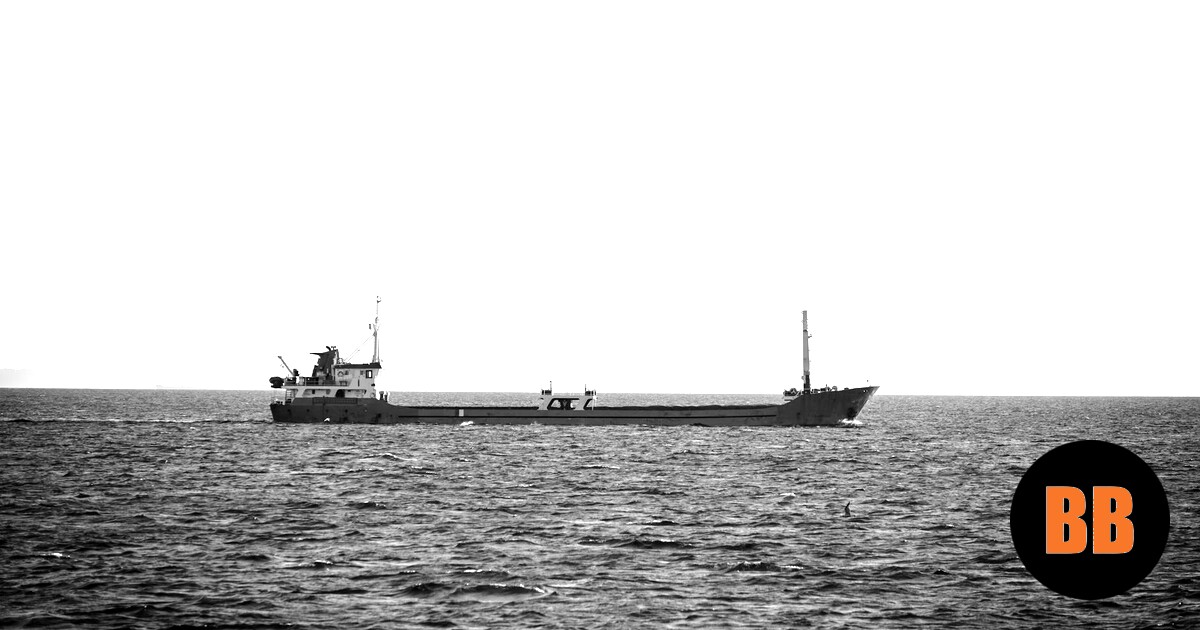
Fraudsters are targeting vessels stranded near the Strait of Hormuz with fake Bitcoin transit demands, exploiting a conflict that has already disrupted one-fifth of global oil flows. Greek maritime risk management firm MARISKS issued a warning on April 21, 2026, that unknown actors impersonating Iranian security services have contacted shipping companies offering clearance in exchange for Bitcoin or Tether (USDt) payments. Senders instructed companies to submit vessel documentation for review, after which a transit fee would be set in cryptocurrency and the ship would receive passage at a pre-agreed time.
'The communications are fraudulent and not linked to Tehran.'
MARISKS said at least one vessel that attempted to exit the strait on April 18 and came under fire from Iranian patrol boats may have been a victim of the fraud, though it could not confirm the connection directly. Hundreds of ships and approximately 20,000 seafarers remain stranded west of the passage amid competing US and Iranian restrictions. The strait historically handled roughly one-fifth of global oil and liquefied natural gas (LNG) flows before the current conflict disrupted traffic. The US activated a full naval blockade on April 13; Iran has lifted and reimposed its own closure of the strait at varying points during the crisis.
The Real Toll Proposal
The scam operates in a vacuum created by Iran's own genuinely ambiguous toll proposal. The Financial Times reported in early April 2026 that Tehran is seeking up to $2 million per tanker for safe transit, with payments accepted in rials, Chinese yuan through Kunlun Bank via the Cross-Border Interbank Payment System (CIPS), and digital currencies through a conversion window on Qeshm Island. Hamid Hosseini, a spokesperson for Iran's Oil, Gas and Petrochemical Products Exporters' Union, put the per-barrel fee at approximately $1.
There has been no confirmed official indication from Iranian state actors that they are operationally accepting Bitcoin or crypto for passage. What exists is a proposal and ongoing discussion, not a functioning authenticated payment system. A temporary ceasefire was set to expire on April 23, and President Trump has said the US will not lift its blockade on Iranian ports until a broader deal is reached. The New York Times reported on April 11, citing US officials, that elements of the Iranian navy may be unable to locate all mines recently laid in the strait, meaning the physical situation may not be fully reversible by diplomatic agreement alone.
Sanctions Exposure
Security analysts warn that any payment demand of this type carries compounding legal risk for shipping companies. Even if funds do not ultimately reach sanctioned entities, companies could face exposure under US and EU sanctions regimes tied to Iran regardless of whether the payment was fraudulent or linked to a real Iranian government program. The distinction between a state toll and a scam using the same framing is not legally meaningful for sanctions purposes once funds move.
Why It Matters
"Don't trust, verify" has always been a geopolitical necessity. The Strait of Hormuz now proves it at sea. Scammers succeeding here is not a Bitcoin problem. It is a verification failure problem, made worse by Iran's deliberate ambiguity around cryptocurrency transit fees. Bitcoin's value proposition is permissionless, final settlement. In legitimate hands, that means sovereignty from intermediaries. In criminal hands, it means the reversibility that protects victims disappears the moment funds move. The lesson is not that Bitcoin enables maritime extortion, wire transfers and letters of credit have financed extortion for decades. The lesson is that in a contested corridor with a hostile actor setting a real-but-unconfirmed toll, the standard Bitcoin maxim applies with extra force: verify the counterparty before you send. There is no chargeback in the Strait of Hormuz.