Key takeaways
- Ricardo Salinas says Bitcoin represents about 70% of his investment or liquid portfolio, rising from roughly 10%.
- Ricardo Salinas holds the remaining 30% in gold and gold-mining stocks, concentrating on scarce monetary assets.
- Banco Azteca's attempted 2021 Bitcoin integration stalls under Mexican regulatory opposition despite its large underbanked customer base.

A Hard-Money Upbringing
Ricardo Salinas Pliego's Bitcoin conviction did not appear out of nowhere. The Grupo Salinas chairman grew up in a family shaped by gold and silver mining, and he has said the 1971 Nixon break from dollar-gold convertibility was a recurring subject at home.
That history matters because it frames Bitcoin as a continuation of hard-money thinking rather than a speculative detour. Salinas learned early that fiat promises can be rewritten by political decision. When a government can sever the monetary anchor, savers learn that the rules of the game are not neutral.
From 10% To 70%
Salinas reportedly says Bitcoin is now about 70% of his investment or liquid portfolio, up from roughly 10% in 2020. This is billionaire-scale capital, not a hobby allocation. CryptoBriefing reports that the remaining 30% is in gold and gold mining stocks.
That means his liquid allocation is not a balanced bet on markets in the usual Wall Street sense. It is a concentrated rejection of debasable money. Bitcoin, gold and miners all express the same thesis: scarce assets are preferable to state-managed currency. The allocation also shows that his argument is not limited to social media rhetoric or conference-stage positioning.
The Bank Regulators Stopped
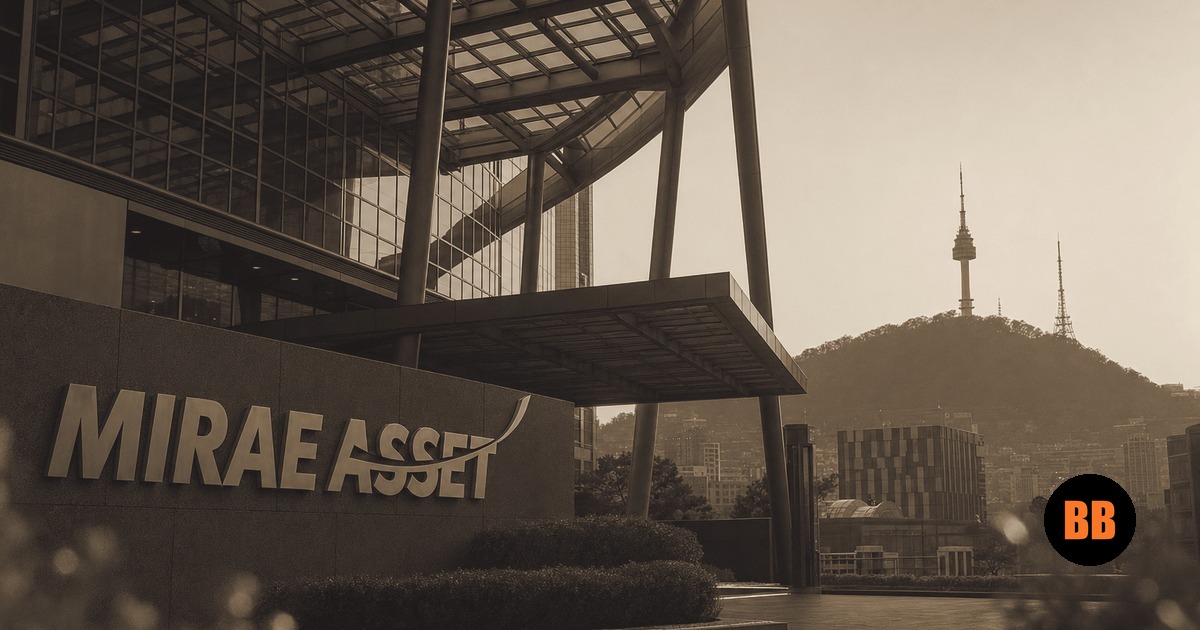
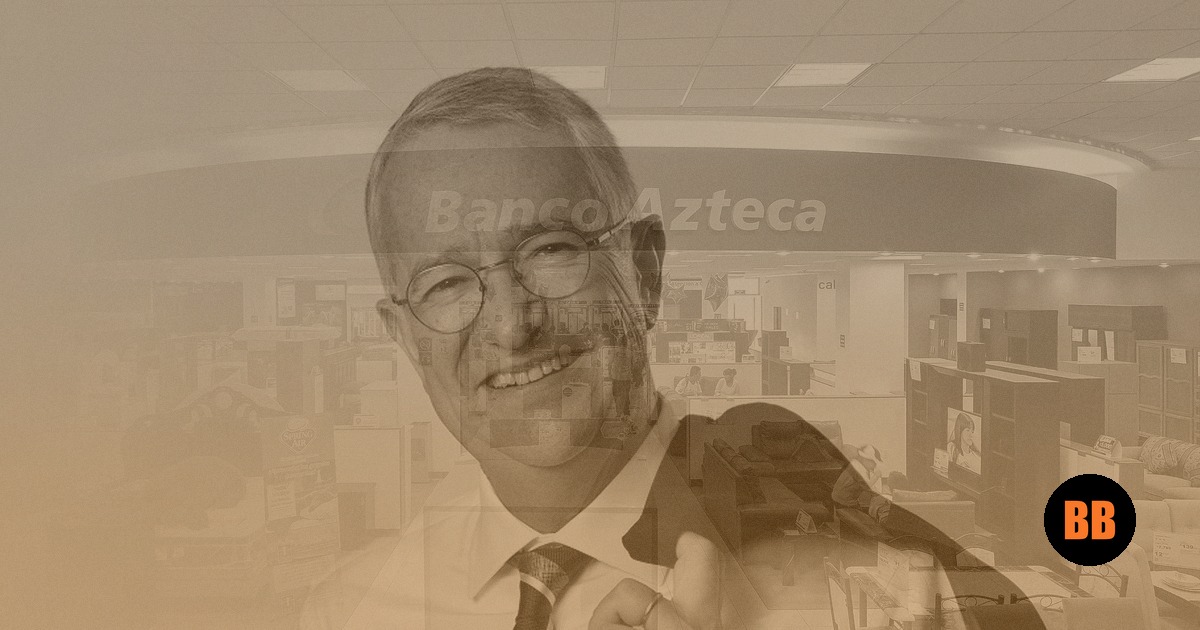
Salinas tried to bring Bitcoin to Banco Azteca in 2021, one of Mexico's largest retail banks. Mexican regulators pushed back and the plan stalled, but the ambition remains significant because Banco Azteca reaches millions of underbanked customers.
If the idea ever executes, it would be one of the largest Bitcoin on-ramps in Latin America. That is why the regulatory fight matters. It is not only about one billionaire's portfolio or one wealthy family's monetary philosophy. It is about whether ordinary users get access to a harder monetary rail through familiar banking infrastructure, rather than being kept inside a banking system built around depreciating fiat balances.
Salinas has also criticized real estate as a slower and less liquid store of value compared with Bitcoin. That does not mean property has no utility, but it shows how he separates shelter from monetary savings. His argument is that savers should not have to rely on leveraged property markets, inflation-prone currencies, or political promises when a scarce, portable monetary asset exists.
That distribution question is the part markets often underprice. A retail bank can translate a monetary idea into an everyday user interface, which is why a stalled bank integration can matter as much as a headline portfolio allocation.
Why It Matters
Salinas has argued for years that fiat currencies are built to lose purchasing power over time, and Bitcoin gives that critique a settlement mechanism rather than only a complaint. Gold preserves the old hard-money instinct, but Bitcoin adds digital portability, final settlement, and self-custody in a way that can travel through the internet rather than through vaults and brokers. That is why his portfolio is more than a billionaire allocation story.
The real significance is the possible bridge from personal conviction to retail access. If Banco Azteca ever succeeds in offering Bitcoin to everyday customers, the hard-money thesis moves from family dinner-table memory to mass-market financial infrastructure in Latin America, where fiat debasement and banking exclusion are not abstract problems.