Key takeaways
- Congress passes a Federal Reserve CBDC prohibition through December 31, 2030, with Senate and House supermajorities.
- CBDC language excludes open, permissionless, private dollar-denominated currency while leaving licensed stablecoin and banking rails operational.
- GENIUS Act provisions let lawful orders require stablecoin seizure, freezing, burning, or transfer prevention directly.

The Ban Has A Clock
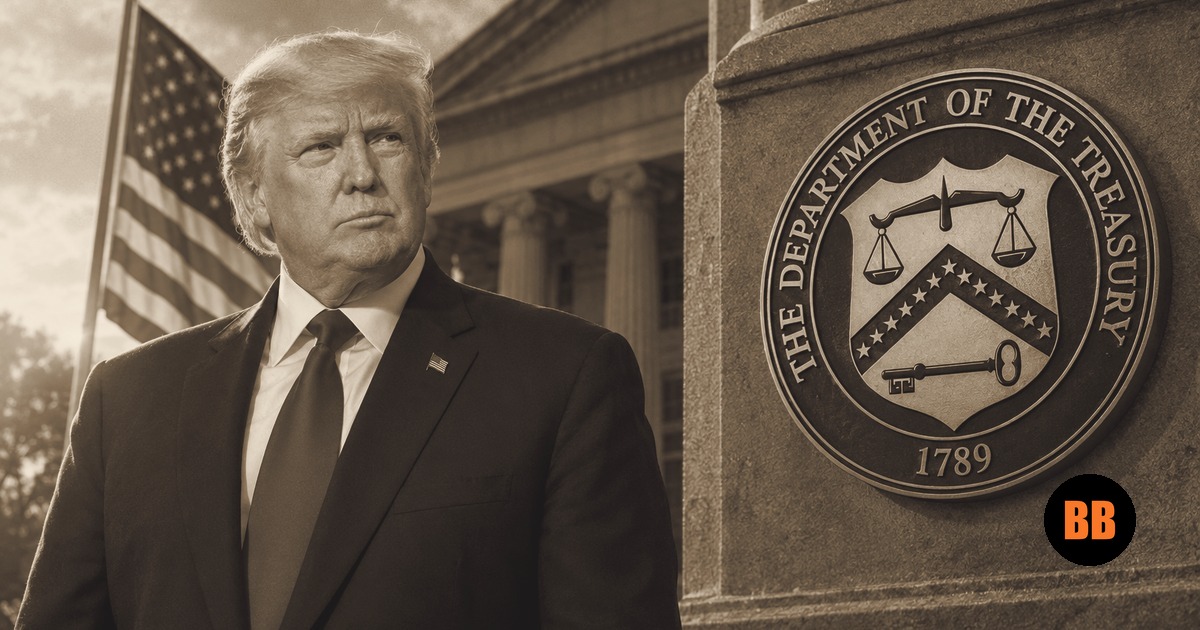
Congress passed the 21st Century ROAD to Housing Act with language that blocks the Federal Reserve from issuing a central bank digital currency until the end of 2030. The Senate approved the package 85-5 on Monday, and current reporting says the House followed 358-32 on Tuesday. Source QA did not find a signed-law receipt, so the safe status is passed by Congress rather than enacted.
The CBDC title bars the Federal Reserve Board and any Federal Reserve bank from issuing, creating, or circulating a CBDC directly or through an intermediary. The prohibition expires after December 31, 2030. The text also says the ban should not be read to cover dollar-denominated currency that is open, permissionless, and private, which keeps private dollar rails outside the CBDC label. That wording matters because it narrows the target to a government-issued instrument instead of the wider machinery that can already make dollar payments conditional.
The Private Rail Problem
That carveout is where the surveillance problem moves. A government coin is one way to build programmable money, but it is not the only way to pressure users. If payments consolidate around licensed stablecoin issuers, banks, app stores, and compliance vendors, censorship can arrive through lawful orders and business risk before a Federal Reserve wallet ever exists.
The GENIUS Act already gives the stablecoin regime a legal pressure point. Its lawful-order language recognizes seizure, freezing, burning, or prevention of transfer for payment stablecoins. That does not mean every payment is frozen by default. It means the rails can be made responsive to orders, and large private issuers have balance sheets, licenses, banking relationships, and legal departments that governments know how to squeeze.
The Sunset Is The Tell
The clean political headline is that Congress blocked a Fed CBDC. The Bitcoin read is more cautious. A restriction that dies on a set date is a timer, not a settlement. After the end of 2030, the prohibition disappears unless lawmakers renew it or replace it with something permanent. The next fight is therefore already visible: turn the temporary restriction into a permanent ban before the political memory fades.
That matters because temporary limits often fail quietly. The public fight fades, the compliance industry grows around private rails, and the next Congress inherits a payment system already trained to obey gatekeepers. A permanent prohibition would need to reach federal agencies, central banks, and state-level digital currency schemes. Otherwise, the CBDC fight becomes a narrow branding dispute while the censorship machinery keeps moving through licensed intermediaries.
Why It Matters
Bitcoin is the escape hatch because its settlement policy does not depend on a central issuer or a private dollar balance sheet. The CBDC ban is useful, but it does not solve the deeper incentive problem. States want payment visibility, issuers want regulatory permission, and users want a system that cannot be switched off by a phone call. The risk is mistaking a temporary statutory brake for a durable privacy win. If the policy fight stops at blocking a Federal Reserve product name, the same control logic can return through stablecoin compliance, banking access, and app-layer chokepoints. Bitcoiners should read the sunset as the start of the next fight, not the end of this one.