Key takeaways
- Engie evaluates bitcoin mining at its 895-MW Assu Sol solar plant to monetize curtailed renewable power in Brazil
- Brazil's 2026 zero-tariff policy on high-efficiency mining hardware lowers entry costs for energy companies considering operations
- Engie CEO Sattamini confirms any bitcoin mining rollout at Assu Sol will take years, not months, to materialize

Converting Curtailment Into Revenue
French utility giant Engie is assessing whether to deploy bitcoin mining data centers or battery storage systems at its 895-MW Assu Sol solar plant in Brazil, the company confirmed. The plant entered full commercial operation in northeastern Brazil earlier this year and has already sustained recurring production cuts imposed by the country's grid operator -- a structural problem for renewable projects as Brazil's generation capacity outpaces its transmission infrastructure.
Engie is not an experimental player. The French state holds a 23.64% stake in the company, which operates roughly 103 GW of installed capacity globally, with 90% classed as low-carbon. In 2025, Engie ranked as the world's top supplier of corporate Renewable Power Purchase Agreements, signing 3.6 GW in that year alone. It also topped the 2025 Energy Risk Commodity Rankings as the world's leading energy dealer, with particular strength in natural gas and European LNG.
"This is not something that happens next month. It will take a couple of years to implement."
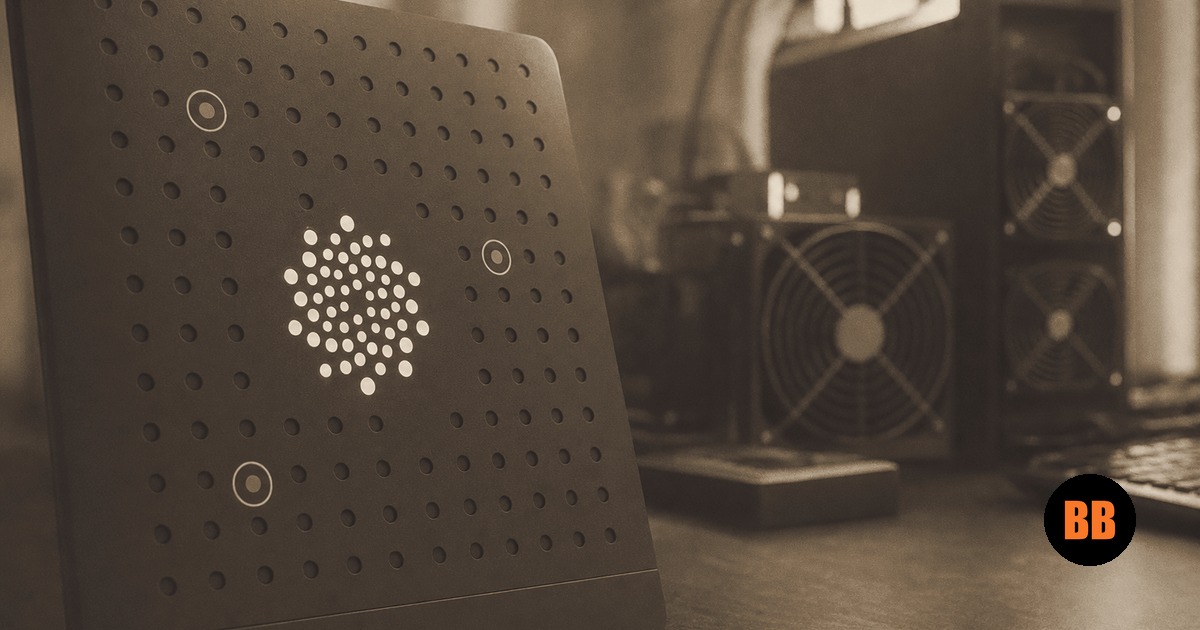
That measured statement from CEO Pedro Sattamini signals the initiative remains exploratory. The direction, however, is clear: bitcoin mining -- with its nature as a flexible and interruptible energy load -- is being evaluated as a mechanism for converting otherwise wasted output into a monetizable asset.
Brazil's Policy Tailwind
The timing is not coincidental. In February 2026, Brazil cut import duties on high-efficiency mining hardware to zero -- a direct policy signal that energy-backed mining operations are welcome in the country. For a company managing a 895-MW solar asset that is regularly forced offline by grid constraints, the economics of converting stranded output into bitcoin are increasingly difficult to dismiss.
Brazil has been expanding its renewable capacity at pace. Grid infrastructure has not kept up. Curtailment -- where generators are forced offline despite available capacity -- translates directly into financial losses. Bitcoin mining sidesteps that problem by consuming power at the point of generation, with no dependency on transmission capacity.
Why It Matters
When the world's top corporate renewable energy dealer -- partially owned by the French state -- publicly evaluates bitcoin mining as a monetization strategy, the narrative that mining is wasteful or environmentally reckless takes a direct hit from an institutional source that is impossible to dismiss as ideologically motivated. Engie is not doing this because of any philosophical commitment to Bitcoin. It is doing this because the incentive structure makes sense: stranded renewable power has a revenue problem, and bitcoin mining is a willing buyer at the point of generation. That logic does not require ideological alignment. It requires only a spreadsheet. As renewable buildout continues to outpace grid expansion across more markets, the number of Engie-scale operators staring at the same curtailment math -- and arriving at the same conclusion -- will grow.