Key takeaways
- Morgan Stanley files an amended S-1 for its spot Bitcoin ETF, naming Coinbase Custody and BNY Mellon as dual custodians
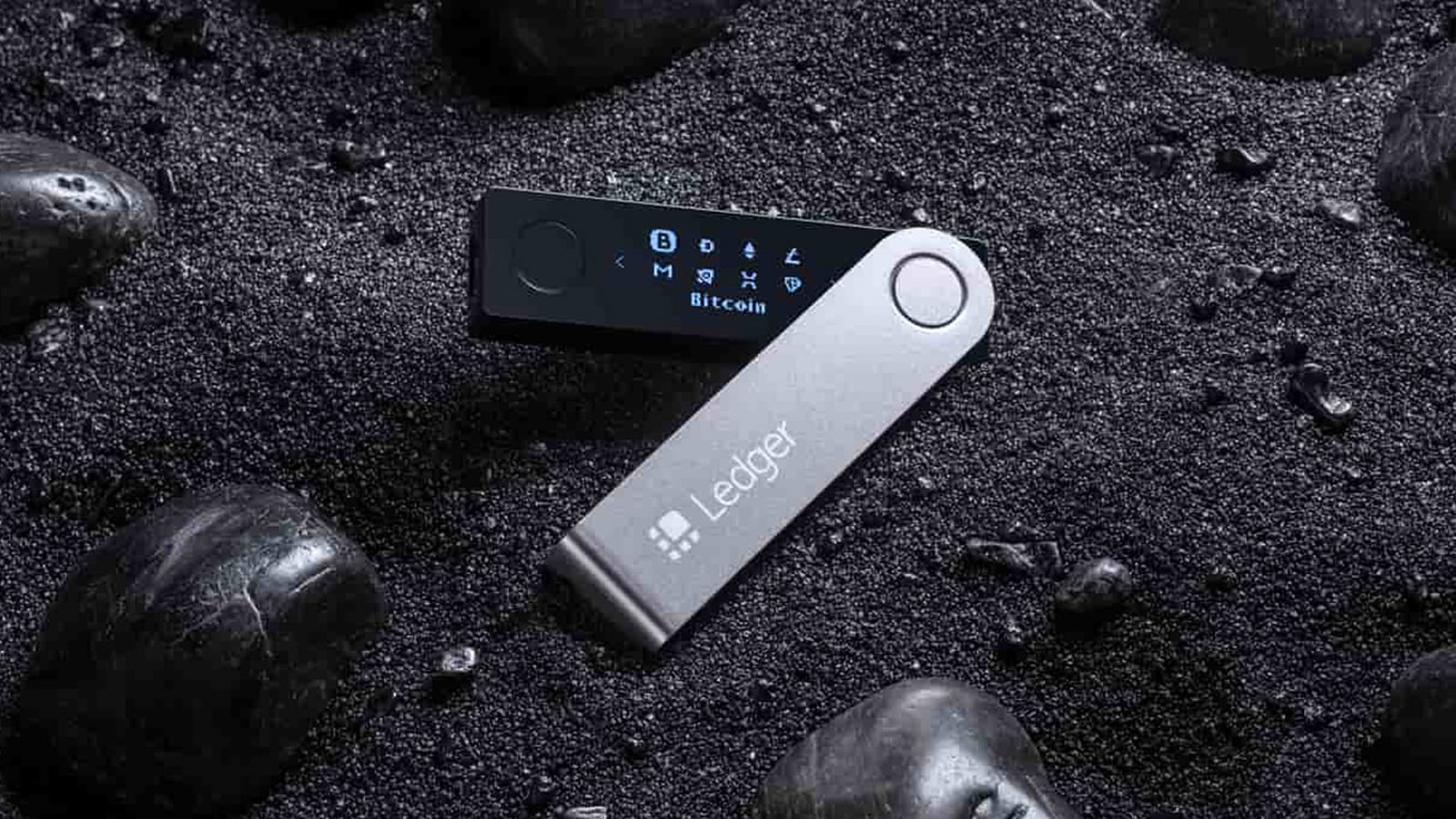
- Most of the trust's bitcoin will sit in offline cold storage vaults with private keys disconnected from the internet
- Digital assets head Amy Oldenburg says the bank plans to offer Bitcoin custody, trading, yield, and lending services in-house over time

Two Custodians, One Trust
Morgan Stanley filed an amended Form S-1 with the SEC on March 4, naming Coinbase Custody Trust Company and Bank of New York Mellon (BNY) as the dual custodians for its proposed spot Bitcoin ETF. Under the framework, most of the trust's bitcoin would be stored in offline cold-storage vaults, where private keys remain disconnected from the internet. A portion may temporarily move to trading wallets during creation or redemption activity.
BNY Mellon pulls additional duty as fund administrator, transfer agent, and cash custodian, handling accounting, shareholder records, and ETF transaction cash flows. The trust will track bitcoin's price using the CoinDesk Bitcoin Benchmark 4PM New York Settlement Rate.
Building In-House, Eventually
The decision to outsource custody is notable for a firm that ranks among the top five largest asset managers globally. Amy Oldenburg, head of digital asset strategy at Morgan Stanley, said at a conference in Las Vegas last week that the bank views custody as a core component of its long-term roadmap. She added the bank will 'absolutely' offer Bitcoin custody, trading, yield, and lending services in time.
'We really need to build this out internally. We can't just primarily rent the technology to do this.'
Oldenburg estimated that a significant share of the bank's clients already hold Bitcoin and crypto off-platform. She stressed the firm's brand carries a 'no-fail' expectation, and that building custody capabilities internally is a responsibility, not merely an option. The structure mirrors BlackRock's iShares Bitcoin Trust, which initially used Coinbase alone before adding Anchorage in April 2025.
Why It Matters
A bank managing roughly $8 trillion in client assets just admitted it cannot yet secure Bitcoin on its own. That is a striking concession from one of the world's most powerful financial institutions, and a useful data point alongside the US government's own custody debacle (see Story 1). Cold storage vaults with keys offline is the right instinct, but the question of who controls those keys, how they rotate during personnel changes, and whether a single custodian failure could freeze redemptions deserves sharper scrutiny than an S-1 filing provides. For Bitcoiners, the pattern is familiar: institutions want exposure to the asset's returns while outsourcing the hard problem of actually holding it.